
Trailer Storage Options: Size, Access & Security
Enclosed trailer storage options include ground-level and drive-up units at facilities such as those listed on U.S. Storage Units, with common sizes ranging from 10x20 to 10x30. Facilities offer security lighting, gated access controls, and defined entry hours. Comparing these features side by side determines which location keeps a trailer accessible and protected.
Key Takeaways
- Enclosed trailers provide secure, weatherproof storage for cargo and equipment during transport and long-term storage periods.
- AAA Storage in Hallandale Beach, FL offers multiple trailer storage options including outdoor parking and indoor facilities.
- Enclosed trailers feature expandable interior space that accommodates larger loads, fragile items, and organized equipment storage solutions.
- Climate-controlled storage units protect sensitive items like electronics, documents, and furniture from temperature and humidity damage.
What Do You Need Before Storing a Trailer?
Accurate measurements come first. Bumper-to-bumper length and mirror width determine which unit fits. Skipping this step leads to a trailer that will not clear the door or leaves no room to maneuver. Owners lose deposits and waste trips when a booked space turns out too small.
Trailer storage decisions should also account for protection needs. Enclosed trailers exist to haul cargo too fragile or too small for open flatbeds, which means the trailer itself deserves the same weather protection it provides for its contents. A trailer left exposed to rain, sun, and road salt degrades faster than one kept under cover. Finding the right storage for trailers protects the investment when the trailer sits unused between hauls or seasons.
What size storage unit fits a trailer?
Facility sizes commonly run from 10x15 up to 10x30, covering everything from a compact utility trailer to a longer enclosed hauler. Owners searching for small trailer storage should still measure first. "small" varies by trailer class and extra clearance is needed for entry and exit.
What should be checked before booking a space?
Before reserving trailer storage near me, owners should confirm the following:
- Measure trailer length, width, and mirror clearance.
- Compare that measurement against available unit sizes, from 10x15 to 10x30.
- Decide whether outdoor parking or enclosed protection better suits the trailer's exposure needs.
- Leave adequate room for backing in and pulling out safely.
Skipping any of these steps risks a poor fit or unprotected trailer.
How Do You Pick the Right Trailer Storage Size?
Correct sizing depends on trailer length, width, and how the vehicle will be accessed once parked. A mismatched space wastes money each month or leaves a trailer exposed at the edges, unprotected from weather and passing traffic. Renters who measure first, then compare unit types, avoid both problems.
Trailer storage decisions start with an honest measurement of the equipment itself, not a guess based on the trailer's class or brand name. Bumper-to-bumper length, hitch included, sets the minimum unit depth required. Width matters too, especially for trailers with side ramps, toolboxes, or fold-out steps that extend beyond the main frame.
What Storage Type Fits a Standard-Length Trailer?
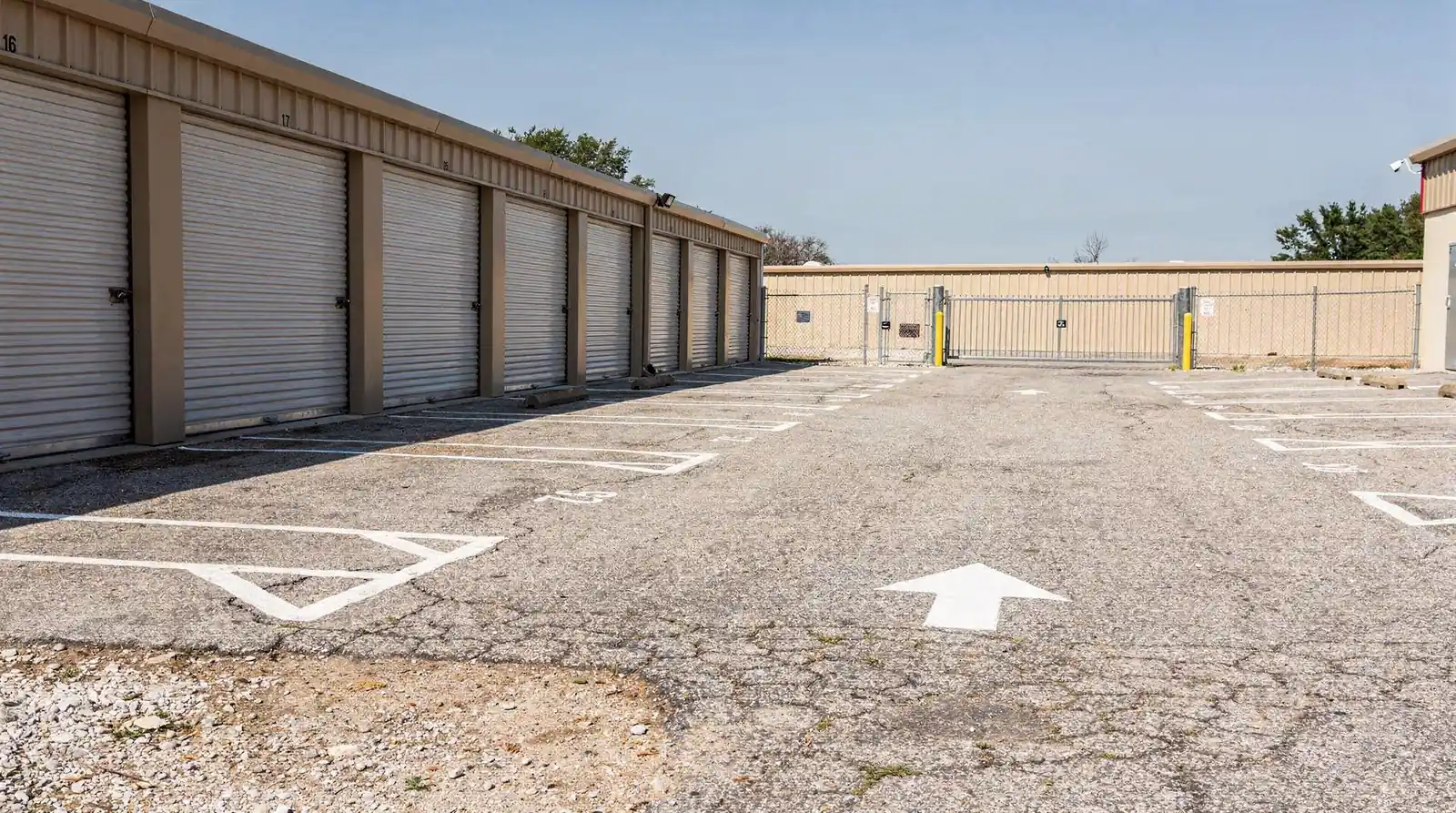
Outdoor storage with dedicated parking spaces works well for trailers needing dependable short-term or long-term access. Spaces sit within a secured facility, giving renters a consistent spot to pull in and out without navigating tight turns. This option suits contractors and RV owners who load and unload frequently.
What About Oversized or Irregularly Shaped Trailers?
Open yard storage answers a different need entirely. This layout gives extensive or oddly shaped trailers, including those with extended tongues or wide loads, room to park without squeezing into a fixed stall. Boat trailers and equipment haulers with irregular dimensions often fit here better than in a standard space.
Once the storage type is chosen, follow these steps:
- Measure the trailer's full length, width, and height, including any attachments.
- Compare small trailer storage options against open yard spaces for oversized loads.
- Review facilities offering available unit sizes alongside web prices to match dimensions accurately.
- Confirm pricing, since storage for trailers varies by unit size, location, demand, and availability.
Renters searching trailer storage near me should treat size as a cost variable, not an afterthought. The wrong fit inflates monthly rates unnecessarily.
How Do You Evaluate Access and Security Features?
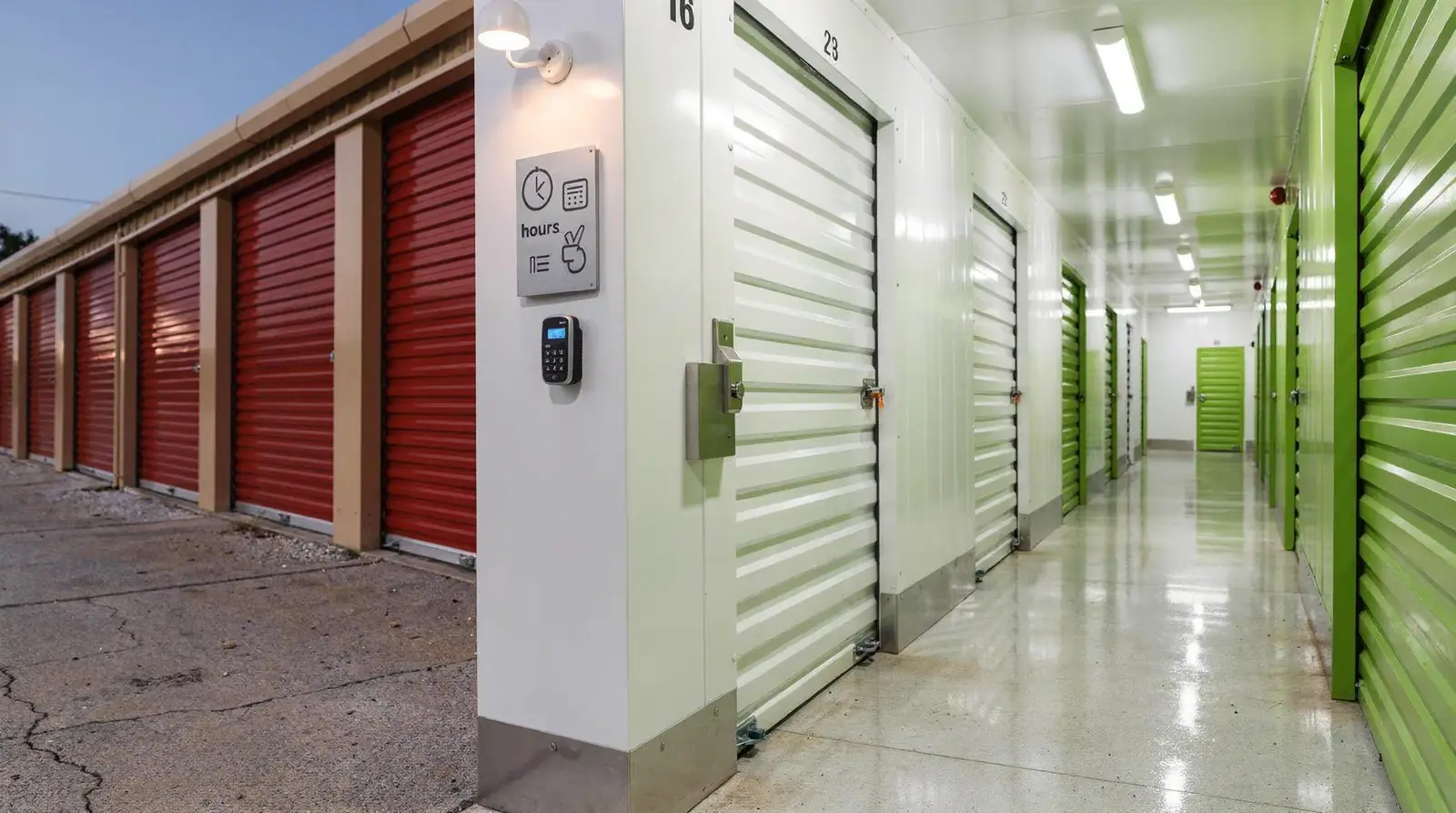
Security lighting, gated access controls, and posted entry hours separate a reliable facility from a risky one. Trailer owners lose more than convenience when a lot skips these basics; unsecured trailer storage invites theft. Nationwide, roughly 1,800 trailers get reported stolen every week, a figure that turns any poorly lit or unmonitored lot into a target. Worse, most stolen trailers prove nearly impossible to trace once they leave the property, so recovery odds drop fast once a hitch clears the gate.
Contractors and RV owners comparing trailer storage near me should treat security features as a checklist, not an afterthought. Before signing a contract, verify the following at each candidate facility:
- Lighting coverage across parking rows and entry points, not just the office area
- Gate or keypad access controls that log entry and exit activity
- Posted hours that match the owner's actual retrieval schedule
- Perimeter fencing or camera coverage visible from the storage row
What Access Hours Work Best for Frequent Retrieval?
Owners who pull trailers out often need dependable hours and simple gate procedures, not restricted windows that require office coordination. A facility offering extended or 24-hour access reduces friction for contractors loading equipment before dawn or boaters retrieving trailers late in the day. Straightforward gate codes, rather than staff-dependent entry, keep retrieval predictable across seasons.
Does Small Trailer Storage Need the Same Security Standards?
Yes. Owners seeking small trailer storage for utility or landscaping trailers face the same theft exposure as those storing larger enclosed units. A smaller footprint does not lower risk, since compact trailers hitch and disappear just as easily as larger ones. Applying identical lighting, gate, and hours criteria protects storage for trailers of every size.
How Do You Reserve and Move In Successfully?
Successful reservations follow four steps: compare, verify, book, and confirm terms before move-in day. Skipping any step risks a mismatched unit size, a higher rate, or a lease that does not fit a trailer owner's timeline.
Step 1: Compare units by location and price. Clients searching for trailer storage should use a map tool to compare facilities by location, distance, price, and availability. This side-by-side view narrows options quickly and prevents wasted trips to facilities that lack space for a trailer's length or hitch clearance.
Step 2: Check nearby ZIP codes for lower rates. Prices for trailer storage near me searches often vary within the same metro area. A comparable unit just a few ZIP codes over frequently costs less, so contractors and RV owners should widen the search radius before committing.
Step 3: Choose lease terms that match the timeline. Month-to-month agreements suit clients who need small trailer storage during travel, a relocation, or a driveway renovation. Longer commitments make sense only when storage needs are permanent or seasonal patterns are predictable.
Step 4: Reserve before rates change. Clients should reserve online or by phone promptly, since published rates can shift. Locking in a rate at the time of booking protects the client from later price increases.
What Should Clients Confirm Before Moving In?
Clients arranging storage for trailers should confirm access hours, gate codes, and any size restrictions with the facility before arrival. Verifying these details in advance prevents delays on move-in day. Ensures the trailer fits the reserved space without last-minute adjustments.
What Mistakes Should Trailer Owners Avoid?
Four errors cost trailer owners the most money and space: skipping rate comparisons, ignoring online discounts, leaving cargo disorganized, and choosing the wrong unit type. Each mistake carries a real financial or practical penalty, and each has a straightforward fix.
Failing to compare facilities ranks as the costliest error. Renters who skip this step routinely overpay for trailer storage, since shopping across multiple locations reveals the lowest available price in a given area. A five-minute comparison often saves more than a month of rent.
Do Renters Miss Out on Online Discounts?
Yes — many facilities post pricing exclusively online. Renters searching for trailer storage near me without checking web listings frequently miss first-month discounts and limited-time deals that never appear in phone quotes or in-person visits.
Why Does Trailer Clutter Become a Bigger Problem Over Time?
An enclosed trailer left without organization turns into a management headache within weeks. Gear shifts during transport, tools go missing, and usable space shrinks fast. Installing shelving early solves this before disorganization becomes routine.
Owners also mismanage unit selection. Follow these steps before signing a lease:
- Measure the trailer's full length and width, including the hitch.
- Compare small trailer storage spaces against standard-size options to avoid paying for unused square footage.
- Review vehicle storage listings for oversized loads or motorcycle storage for compact equipment.
- Confirm whether the facility offers storage for trailers with drive-up access.
Owners who follow this sequence avoid two outcomes: paying for excess space and returning to a chaotic trailer.
FAQ
What size storage unit fits a trailer?
Facility sizes commonly run from 10x15 up to 10x30, covering compact utility trailers to longer enclosed haulers. Owners should measure their trailer first. "small" varies by trailer class and extra clearance is needed for entry and exit.
What security features do enclosed trailer storage facilities offer?
These features work together to keep a trailer accessible while protecting it from unauthorized entry.
What should be checked before booking a trailer storage space?
Owners should measure trailer length, width, and mirror clearance, then compare that against available unit sizes from 10x15 to 10x30. They should also decide between outdoor parking or enclosed protection. Leave room for safely backing in and pulling out.
Facts
- US Storage Units is located in Hallandale Beach, FL, US.
Conclusion
In closing, enclosed trailer storage represents a comprehensive solution for individuals requiring secure, accessible, and appropriately sized storage accommodations. The combination of protective enclosure, flexible dimensions, and robust security measures addresses the multifaceted needs of users seeking reliable asset protection. US Storage Units remains committed to delivering storage solutions that meet the exacting standards of modern storage requirements.