
Seasonal Car Storage: A Classic Vehicle Guide
Classic car and seasonal vehicle storage decisions hinge on unit type, security, and climate control. Enclosed ground-level spaces protect against rust, fluid degradation, and pests. Common sizes like 10x20 and 10x30 accommodate most collector vehicles. Collectors should compare security lighting, access controls, and entry hours before committing. Storage conditions directly affect insurance eligibility and long-term vehicle value.
Key Takeaways
- Proper classic car storage preserves vehicle value and protects memories associated with your investment.
- Common storage risks include rust, fluid degradation, pests, security threats, and accidental damage.
- US Storage Units operates facilities in Hallandale Beach, FL, US.
- Extended vehicle storage requires specific preparation steps to protect daily drivers and seasonal cars.
What Should You Know Before Storing a Classic Car?
Preparation determines whether a classic car emerges from storage undamaged or in need of costly repair. Collectors use car storage to house extra vehicles, project cars, and seasonal rides once driving season ends. Skipping the planning stage risks scratched paint, insurance disputes, or a unit too small for the vehicle.
How much space does a classic car need?
Owners should measure the vehicle bumper-to-bumper and include mirror width before booking a unit. Extra clearance matters: doors need to open, and owners need room to walk around the car during checks. A unit that fits too tightly invites dents and paint damage every time the vehicle enters or exits.
Does storage choice affect insurance coverage?
Most collector car insurance policies factor storage conditions into rates and eligibility. Insurers often expect indoor car storage or covered vehicle storage rather than an open lot. Exposure to weather raises risk. Reviewing policy terms before selecting a facility prevents coverage gaps or denied claims later.
Owners searching car storage near me should compare a few factors before committing:
- Enclosed versus covered spaces, based on insurance requirements
- Unit dimensions matched to exact vehicle measurements
- Access hours and security features
- Contract length, especially for long term vehicle storage needs
Facility networks such as US Storage Units, located in Hallandale Beach, FL, US, connect collectors to storage options nationwide. Matching the right unit type and size to a specific vehicle protects both the car's condition and its insurability throughout the off-season.
How Do You Choose the Right Car Storage Unit?
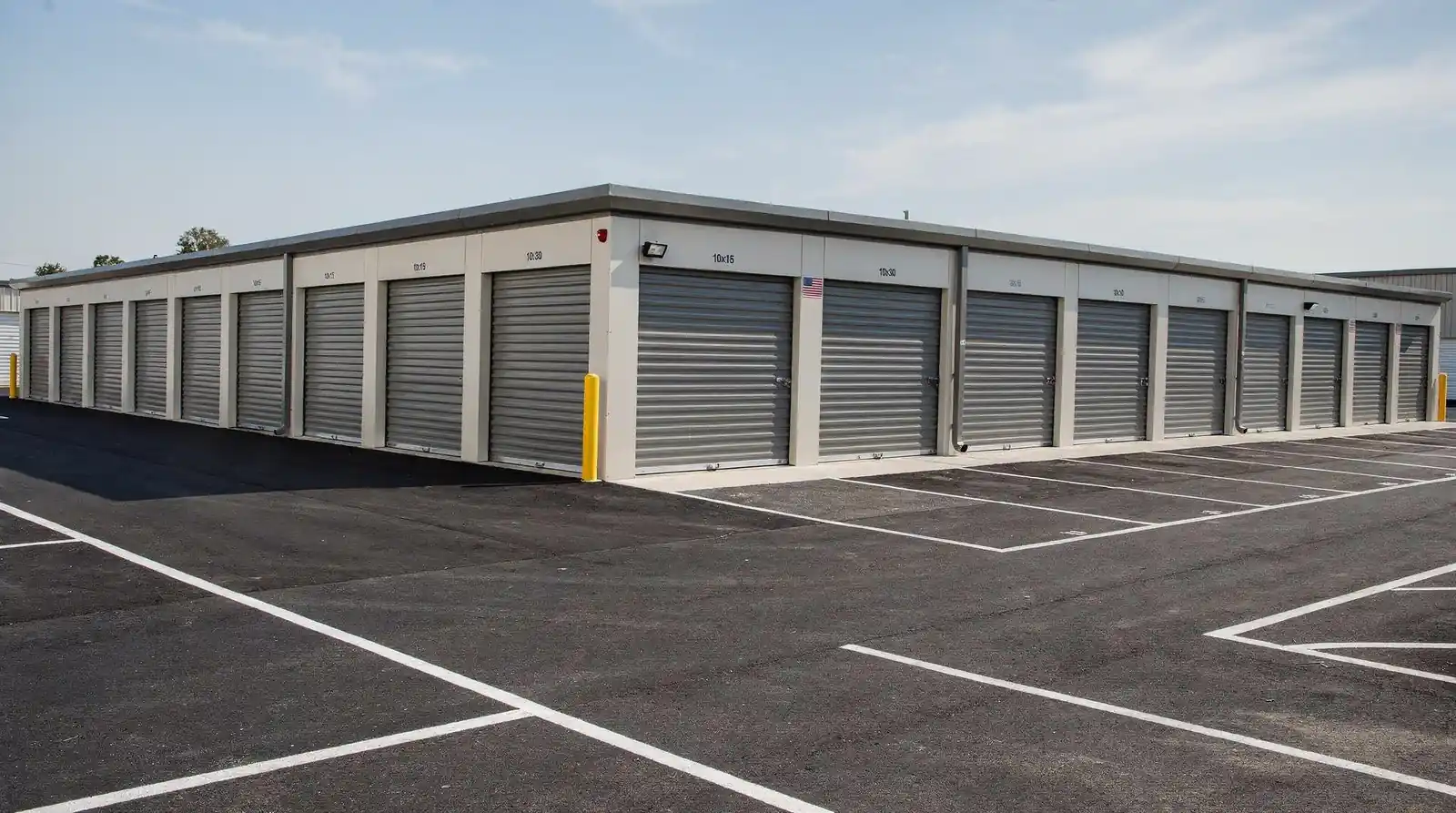
Vehicle length determines unit size first, and security features determine peace of mind second. Collectors who skip either factor risk a cracked convertible top or a scratched hood panel after a single storage season. The right choice comes down to matching physical space, protection level, and access terms to the specific vehicle involved.
What Size Storage Unit Fits a Classic Car?
Common car storage sizes run 10x15, 10x20, 10x25, and 10x30, scaled to vehicle length. A compact roadster fits comfortably in a smaller bay. A full-size sedan or a car with a trailer needs the larger footprint. Owners should also factor in extra room along the sides for door clearance. Easy entry without risking a dented panel.
Indoor or Outdoor: Which Storage Type Protects a Vehicle Best?
Most facilities offer a choice between outdoor parking spaces and enclosed ground-level units. Storage options actually span a wider range: open-air parking, covered carports, and fully enclosed indoor car storage that functions like a private garage. Classic car owners and seasonal drivers searching for covered vehicle storage typically favor the enclosed option. It shields paint, chrome, and interior upholstery from sun exposure, hail, and road grime.
Before signing a contract, prospective renters should follow a short evaluation process:
- Measure the vehicle's length and mirror width to confirm proper unit fit.
- Decide whether outdoor, covered, or fully enclosed protection matches the car's value and sensitivity to weather.
- Compare security lighting, access controls, and entry hours across nearby facilities.
- Confirm whether the lease supports long term vehicle storage or only short-term, month-to-month use.
Anyone searching for car storage near me should treat security controls as a non-negotiable line item, not an afterthought. A well-lit facility with restricted access and flexible entry hours protects the vehicle just as much as the four walls around it.
How Do You Prepare Your Vehicle for Long-Term Storage?
Preparation determines whether a classic car emerges from storage ready to drive or in need of costly repairs. Skipping key steps invites rust, pests, and fluid damage that can quietly erode a vehicle's value over an entire off-season. A disciplined pre-storage routine, paired with facilities offering indoor car storage or covered vehicle storage, gives collectors real protection against these risks.
Follow these steps in order before locking the doors for the season:
- Remove all personal items and close every window. Cups, water bottles, and anything containing liquid can freeze and crack under low temperatures, so clear the cabin completely.
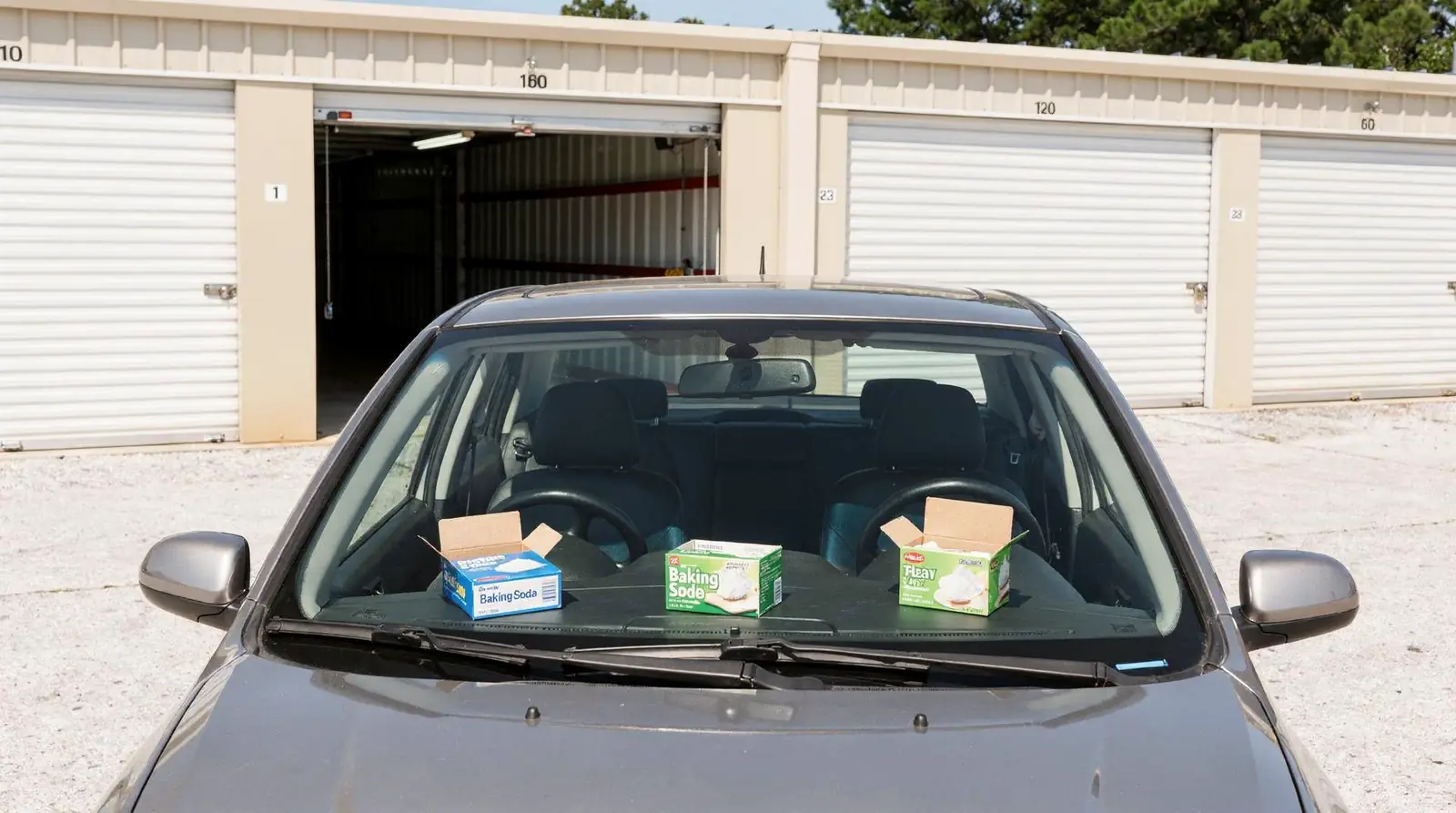
- Place baking soda packages inside the cabin and trunk. Distributing these packages throughout the vehicle, much like refrigerator odor absorbers, controls moisture buildup that leads to mildew and corrosion.
- Seal exhaust pipes and air intakes. Blocking these entry points keeps insects and rodents from nesting inside the engine bay or cabin during months of inactivity.
- Clean the vehicle thoroughly and check all fluids. A clean surface resists corrosion better than a dusty one, and verified fluid levels prevent degradation while the car sits idle.
- Choose a secure storage location. Combining pest prevention with a locked, monitored space rounds out the off-season protection plan.
Why Does Moisture Control Matter So Much for Classic Cars?
Trapped moisture inside a sealed cabin accelerates interior corrosion and encourages mold growth. Baking soda packages absorb ambient humidity, protecting upholstery, wiring, and metal trim from slow, hidden damage.
What Happens If Pests Are Not Blocked Out?
Unsealed exhaust pipes and intakes become inviting nests for insects and small rodents. Chewed wiring and clogged systems often go unnoticed until a costly repair bill appears months later.
Owners who search for car storage near me should confirm that any facility supports this full preparation checklist before committing a vehicle for the season.
How Do You Find and Compare Car Storage Near You?
Comparing car storage starts with an interactive map, not a phone book. A location-based map lets collectors evaluate car storage near me results by proximity, price, and current availability, all in one view. This approach turns hours of scattered phone calls into a single side-by-side comparison.
Pricing rarely stays apartment across a metro area. Rates for indoor car storage or open parking can shift block by block, so checking neighboring ZIP codes often uncovers lower rates than the first search result shows. A collector storing a numbers-matching convertible three miles outside a downtown core may pay noticeably less than one parked in the city center.
Facility comparison works best as a short, deliberate process:
- Search the map by ZIP code and sort results by distance and price.
- Note which locations offer covered vehicle storage versus open-air spaces.
- Confirm lease terms, since month-to-month agreements simplify long term vehicle storage during travel, relocation, or a garage renovation.
- Check gate hours and access procedures before booking.
- Compare unit sizes against the vehicle's bumper-to-bumper length.
Is month-to-month storage practical for a seasonal car?
Month-to-month agreements suit seasonal drivers well. A convertible owner heading into winter, or a collector relocating for a few months, gains flexibility without a long lease commitment.
What if a classic car needs a different type of space entirely?
Not every vehicle fits standard car parking. Owners weighing alternatives can review broader vehicle storage options for larger fleets or motorcycle storage for smaller, single-vehicle needs. Collectors managing several cars across the year benefit most from facilities with dependable access hours and straightforward gate procedures. Inconsistent entry policies create unnecessary friction during a quick mid-season inspection or fluid check.
What Mistakes Should You Avoid With Vehicle Storage?
Skipping preparation ranks as the costliest mistake a collector makes before winter. Vehicles left unprotected face rust, fluid degradation, pest infestation, security threats, and accidental damage. Each risk compounds over months of inactivity. None of them announce themselves until spring, when the damage is already done.
Proper car storage preserves both the resale value and the personal history tied to a vehicle. Treating storage as an afterthought puts both at risk simultaneously.
Is Any Vehicle Too Large for Standard Storage?
Yes, oversized vehicles need a different solution. Owners of RVs, trailers, and similarly large rigs should review dedicated RV storage rather than forcing them into a standard car-length unit. Fitting an oversized vehicle into the wrong space strains doors, walls, and access lanes, creating problems for the vehicle and the facility alike.
Before selecting a unit, collectors should confirm the following:
- Measure the vehicle's full length and width, including mirrors.
- Match the vehicle type to the correct storage category rather than assuming one size fits all.
- Rule out indoor car storage or covered vehicle storage if the vehicle exceeds standard dimensions.
Careful planning at this stage protects the investment long before winter weather becomes a factor.
FAQ
How much space does a classic car need in storage?
Measure the vehicle bumper-to-bumper, including mirror width, then add extra clearance for doors to open and for walking around the car during checks. A too-tight unit invites dents and paint damage.
Does storage type affect insurance eligibility?
Yes, collector car insurance policies factor storage conditions into rates and eligibility, often requiring indoor or covered storage instead of an open lot. Reviewing policy terms before choosing a facility prevents coverage gaps or denied claims.
What size unit fits most classic cars?
Common car storage sizes run 10x15, 10x20, 10x25, and 10x30, scaled to vehicle length. Compact roadsters fit smaller bays, while full-size sedans or cars with trailers need the larger footprint.
Facts
- US Storage Units is located in Hallandale Beach, FL, US.
Conclusion
In closing, protecting your classic car or seasonal vehicle requires deliberate planning and appropriate storage solutions. The considerations outlined—climate control, security measures, facility accessibility, and insurance coordination—form the foundation of responsible vehicle preservation. US Storage Units recognizes the distinct needs of collectors. Seasonal vehicle owners, offering facilities designed to safeguard your automotive investments year-round. Selecting the right storage partner ensures your vehicles remain protected and ready for the road ahead.