
Convenient RV Storage Units Near You | U.S. Storage Units
When you need quality RV storage units, the goal is to find a facility that’s close to home and offers the right features. Most self-storage locations don’t have room for RVs, even if they can handle smaller vehicles. But with the right facility, you can choose a space that gives your RV the protection and convenience it needs.
Don’t settle for leaving your RV in the driveway or parking it at a location that doesn’t give you peace of mind. Take the time to find the right option—whether that’s an open space in a fenced yard or a covered, carport-style spot. Where you live will also affect availability, since facilities that accommodate RVs need plenty of space.
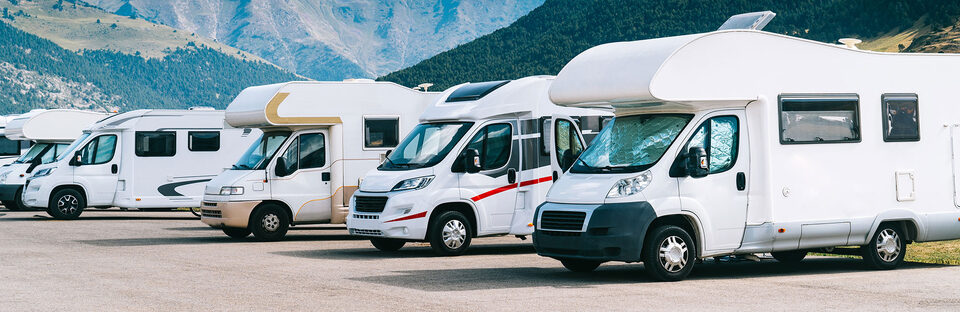
Why RV Storage Is Worth It
Investing in RV storage units is one of the best ways to protect your vehicle and keep it in top condition.
-
Protection From the Elements: Even durable RVs wear down when left in the sun, rain, or snow for long periods. Enclosed or covered storage shields your RV and reduces UV damage.
Added Security: Gated access, surveillance cameras, and fenced facilities help deter theft and vandalism. - More Space at Home: Free up your driveway or yard by moving your RV off-site, leaving room for cars, projects, and family activities.
- Flexible Access: Our units offer 24-hour storage, so you can pick up or drop off your RV on your schedule.
With U.S. Storage Units, you enjoy the benefits, combined with transparent pricing and flexible month-to-month rentals.
Why Renting RV Storage Units Just Makes Sense

Storage for a Small RV
Compact RVs have more flexibility because they can fit into spaces that aren’t suitable for larger vehicles. Depending on the size, you may be able to use a carport-style space or even a large enclosed storage unit (if vehicles are permitted). Always measure your RV carefully before renting to ensure the unit you choose is the right fit.
Protect Your RV Before Storing
Proper prep helps keep your RV in good condition. This can include winterizing if the vehicle will be outdoors during cold months, changing the oil, and attending to routine maintenance. Handle any needed repairs before storing, and choose a facility with security features such as gated access and cameras. That way, your RV stays safe until you’re ready to hit the road again.

HOA Restrictions
Many neighborhoods with homeowners' associations don’t allow RVs in driveways or yards. Renting vehicle storage keeps you compliant with HOA rules while giving your RV a secure home away from home. Look for facilities with extended or 24/7 access so you can pick up your RV whenever you need it.

Storing Your RV in Your Garage
Most garages aren’t built to fit an RV. Unless you own a very small RV and have a taller-than-average garage door, chances are it won’t fit. Instead of crowding your property, our professional storage facility offers a safe, convenient, and practical alternative.
U.S. Storage Units: Your RV Storage Solution
Your RV deserves more than a cramped driveway or an open lot where you’re never sure it’s safe. With U.S. Storage Units, you’ll find storage spaces designed specifically for RV owners who want both security and convenience.
Our facilities provide you with peace of mind, featuring gated access, monitored parking, and flexible options that range from open parking to fully enclosed units. That means your RV is protected when you’re not using it—and ready whenever adventure calls.
Whether you’re planning a weekend getaway or preparing for a cross-country trip, you can pick up your RV with ease and confidence. In the meantime, it stays safe, secure, and out of the way, so your home and driveway stay clear.
Types of RV Storage Units

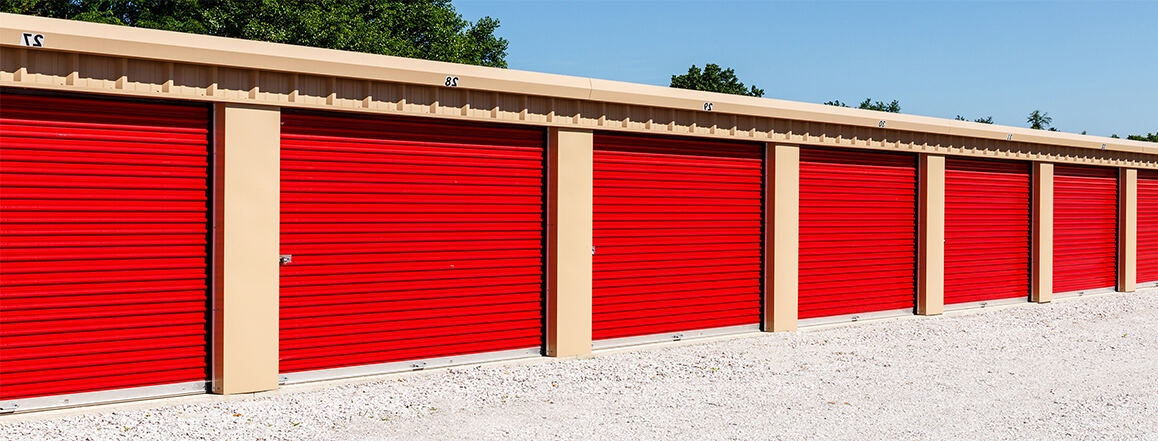
Enclosed RV Storage
Think of this as a private garage for your RV. Enclosed storage keeps your vehicle completely shielded from the elements—no sun, rain, or snow to worry about. It’s the most secure option, often featuring individual locking units or large indoor warehouses designed for RVs. If you plan to store your RV long term, or if it’s a newer and more valuable model, enclosed storage offers maximum peace of mind.

Covered RV Storage
Covered RV storage units work like a carport: your RV is parked under a protective roof that blocks direct sun and rain. While not as protective as an enclosed unit, it helps preserve your RV’s exterior, roof, and paint from weather damage. These spaces are generally more affordable than fully enclosed units, yet they still offer gated access and security monitoring.
Uncovered RV Storage
The most budget-friendly choice, uncovered storage is essentially a designated parking spot within a secure, gated facility. Your RV stays accessible and safe from theft, but it won’t be shielded from the weather. Many owners add an RV cover for extra protection. If saving money is your top priority, uncovered storage is often the right pick.

Pricing Differences
All other things being equal, an open parking space for your RV is generally going to be the least expensive, followed by a carport-style space, followed by a fully enclosed space. However, the size of your RV can also matter. If you have a very large RV you might pay a similar amount for an open parking space as a person with a much smaller RV would pay for an enclosed or carport-style spot. Your location and the options the facility offers for access, protection, and more also matter when it comes to pricing.
Frequently Asked Questions — RV Storage Units
List of cities with self storage
- Albuquerque, NM
- Alexandria, VA
- Arlington, TX
- Atlanta, GA
- Aurora, CO
- Austin, TX
- Baltimore, MD
- Baton Rouge, LA
- Beaverton, OR
- Bellevue, WA
- Berkeley, CA
- Birmingham, AL
- Bloomingdales, IL
- Boca Raton, FL
- Boston, MA
- Boynton Beach, FL
- Bronx, NY
- Brooklyn, NY
- Carrollton, TX
- Charleston, SC
- Charlotte, NC
- Chicago, IL
- Cicero, IL
- Cleveland, OH
- Colorado Springs, CO
- Columbus, OH
- Concord, CA
- Cordova, TN
- Crystal Lake, IL
- Dallas, TX
- Decatur, GA
- Delray Beach, FL
- Denver, CO
- Des Plaines, IL
- Detroit, MI
- Elizabeth, NJ
- Elmhurst, IL
- El Paso, TX
- Everett, WA
- Fairfield, OH
- Fontana, CA
- Forest Park, GA
- Fort Lauderdale, FL
- Fort Myers, FL
- Fort Worth, TX
- Fresno, CA
- Frisco, TX
- Garland, TX
- Gilbert, AZ
- Glendale, AZ
- Greensboro, NC
- Greenville, SC
- Hialeah, FL
- Hollywood, FL
- Houston, TX
- Huntington Beach, CA
- Indianapolis, IN
- Irvine, CA
- Irving, TX
- Jacksonville, FL
- Jersey City, NJ
- Kansas City, MO
- Kent, WA
- Knoxville, TN
- Lakewood, CO
- Las Vegas, NV
- Lawrenceville, NJ
- Lincolnwood, IL
- Littleton, CO
- Lombard, IL
- Long Beach, CA
- Los Angeles, CA
- Louisville, KY
- Lyons, IL
- Manhattan, NY
- Marietta, GA
- Memphis, TN
- Mesa, AZ
- Miami, FL
- Milwaukee, WI
- Minneapolis, MN
- Mobile, AL
- Nashville, TN
- Newark, NJ
- New Orleans, LA
- Newport News, VA
- New York, NY
- Norcross, GA
- North Hollywood, CA
- Oakland, CA
- Oklahoma City, OK
- Omaha, NE
- Orlando, FL
- Park Ridge, IL
- Pasadena, TX
- Paterson, NJ
- Pearland, TX
- Philadelphia, PA
- Phoenix, AZ
- Plano, TX
- Pompano Beach, FL
- Portland, OR
- Raleigh, NC
- Richmond, VA
- Richmond, CA
- Rockford, IL
- Sacramento, CA
- Salt Lake City, UT
- San Antonio, TX
- San Bernardino, CA
- San Diego, CA
- San Francisco, CA
- San Jose, CA
- Santa Clara, CA
- Schaumburg, IL
- Seattle, WA
- Skokie, IL
- South San Francisco, CA
- St. Louis, MO
- St. Petersburg, FL
- Tacoma, WA
- Tallahassee, FL
- Tampa, FL
- Tempe, AZ
- Tucson, AZ
- Tulsa, OK
- Villa Park, IL
- Virginia Beach, VA
- Washington, DC
- West Palm Beach, FL
- Wichita, KS