
Vehicle Storage Insurance: Self-storage Unit Comparison
Vehicle owners face no legal insurance requirement for a stored car, but coverage remains essential protection. Comprehensive policies address theft, vandalism, weather damage, and accidents even while parked at facilities in locations like Manhattan, NY or Los Angeles, CA. Reduced-rate storage policies exist for infrequently driven vehicles, offering cost savings without eliminating financial risk during storage periods.
Key Takeaways
- Legal requirements don't mandate insurance for stored vehicles, but theft and damage leave owners financially responsible.
- Comprehensive coverage protects stored cars against theft, vandalism, and weather damage without full premium costs.
- US Storage Units in Hallandale Beach, FL offers secure facilities to minimize vehicle damage and theft risks.
- Long-term storage preparation includes selecting safe facilities and maintaining adequate insurance coverage during inactive periods.
Do You Really Need Insurance For Stored Vehicles?
State law imposes no requirement to insure a vehicle that sits unused in storage. No statute mandates vehicle storage insurance for a car, boat, or RV that never touches the road. That legal reality, however, leaves owners exposed to theft, vandalism, weather damage, and accidents inside the facility itself — costs that fall entirely on the owner without a policy in place.
Coverage decisions often hinge on a related question that many owners search before they ever sign a rental agreement.
Does Storage Unit Insurance Cover My Car?
Standard storage facility insurance requirements typically limit or exclude coverage for stored vehicles under a general contents policy. A separate auto policy, even a reduced comprehensive-only plan, usually handles theft and weather claims more directly. Collectors and seasonal drivers should confirm exact terms with their facility and their insurer before assuming any overlap exists.
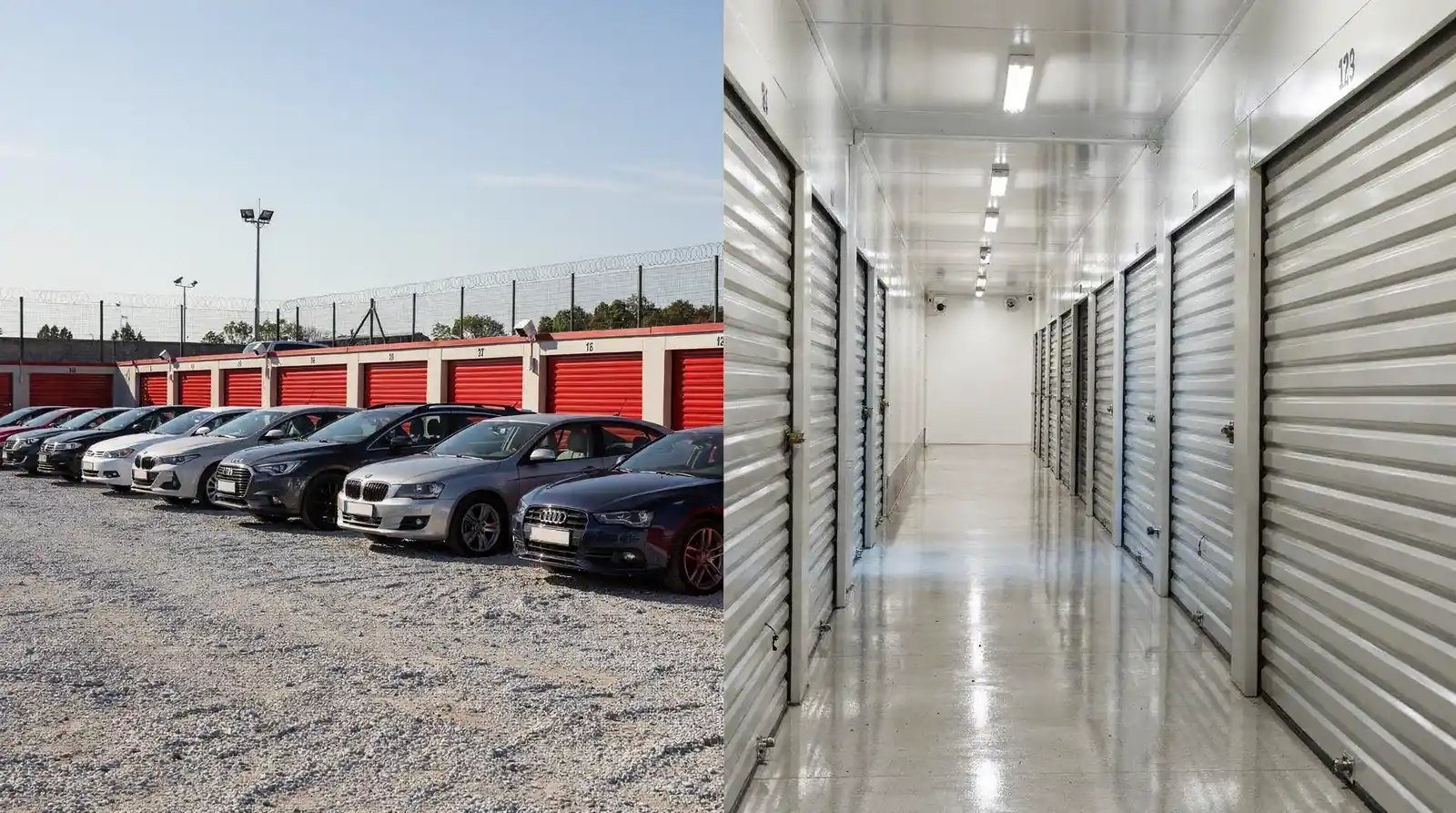
Vehicle storage liability also depends heavily on where and how the vehicle sits. Facilities vary in the protection they build into the property itself, and that variation shapes the actual risk an owner carries.
- Outdoor parking spaces: lower cost, higher exposure to weather and theft
- Enclosed ground-level spaces: added protection, often at a premium
- Security lighting, access controls, and defined entry hours: features worth comparing side by side before booking a spot
What Drives Storage Unit Insurance Cost?
Pricing varies based on coverage level, vehicle value, and the facility's security features, each influencing the overall cost. A driveway-style outdoor space carries different liability exposure than an enclosed unit with controlled access.
Owners comparing facilities should weigh those protection differences against monthly rates. A cheaper space without lighting or access control can translate into higher long-term risk. Reviewing entry hours and security infrastructure before signing remains a practical first step toward matching insurance choices to actual risk.
Does Storage Unit Insurance Cover My Car?
Standard storage facility policies rarely cover a stored vehicle's value directly. Storage facility insurance requirements typically protect the building and grounds, not the contents inside a rented space. Vehicle owners carry the financial exposure for theft, fire, or weather damage unless separate coverage exists. This gap is why vehicle storage insurance matters for anyone parking a classic car, RV, or boat for an extended period.
Storage unit insurance cost varies by provider and coverage level, but the bigger question is what protection actually applies to a vehicle. Facility type plays a major role in risk exposure. Indoor vehicle storage facilities offer the strongest protection against the elements, shielding a car from rain, sun, and temperature swings. Outdoor storage costs less upfront, but that savings comes with less protection from weather-related damage.
Does an Indoor Unit Reduce My Liability Risk?
Indoor storage lowers exposure to weather damage, which reduces the chance a vehicle owner needs to file a claim at all. Fewer claims mean fewer disputes over what a policy actually covers. Vehicle storage liability still rests with the owner, so a properly sized indoor space matters. Facilities commonly offer sizes from 10x15 up to 10x30, giving collectors room to fit longer vehicles without crowding.
Can Month-to-Month Storage Affect My Coverage Needs?
Short-term, month-to-month arrangements suit vehicle owners storing a car during travel, relocation, or a driveway renovation. Coverage needs shift with storage duration. A seasonal driver storing a boat for three months faces different risk than a collector storing a car year-round. Matching the storage term to actual need helps avoid paying for protection that exceeds the situation.
What Are Storage Facility Insurance Requirements?
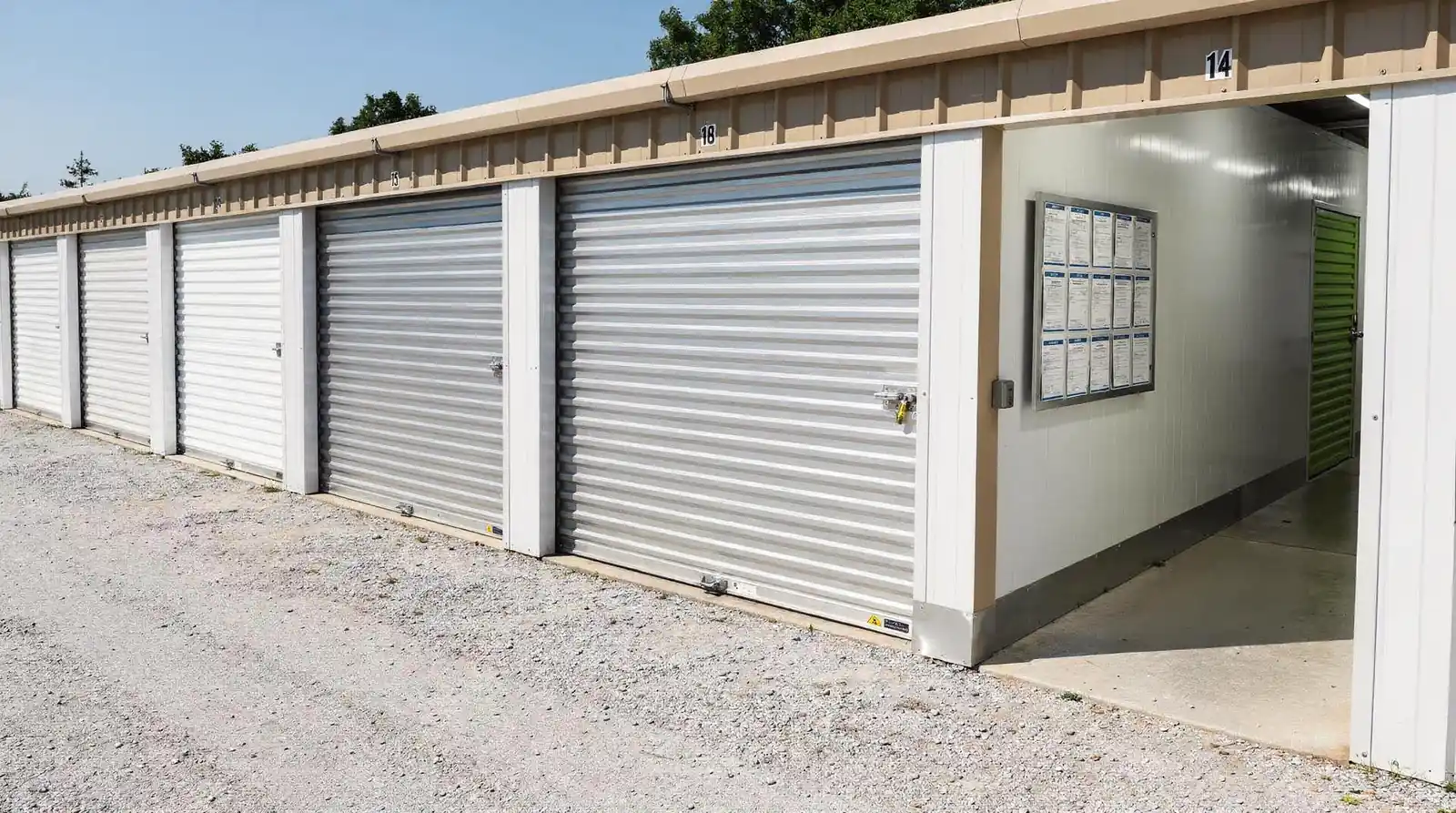
Storage facility insurance requirements vary by state and by property, but most centers ask vehicle owners to carry some proof of coverage before a car, RV, or boat enters a storage space. State motor vehicle departments sometimes require specific forms or notices once a vehicle goes into storage, so confirming local rules before move-in prevents registration headaches later.
Facility policies rarely function as a substitute for personal auto or vehicle storage insurance. Most storage contracts limit the facility's own vehicle storage liability, meaning damage from theft, fire, or weather often falls back on the owner unless a personal policy is active.
Does Storage Unit Insurance Cover My Car?
Whether does storage unit insurance cover my car depends entirely on the contract signed at check-in. Many agreements exclude vehicle damage altogether, shifting responsibility to the renter's own auto policy. Reading the fine print before signing avoids a costly surprise after a break-in or storm.
How Much Does Vehicle Storage Insurance Cost?
Storage unit insurance cost figures shift with unit size, facility location, demand, and availability, the same variables that drive base rental pricing. Comparing several facilities in a given market, such as a large metro area with dozens of storage options, helps owners avoid overpaying for coverage-adjacent perks like enclosed parking or gated access.
Owners storing multiple vehicles across a year gain the most from facilities offering:
- Reliable, consistent access hours
- Straightforward gate procedures for checking vehicle condition
- Clear documentation of entry and exit times
- Transparent pricing tied to unit size and location
Selecting a facility with dependable procedures reduces disputes over liability if damage occurs during the storage term.
How Does Vehicle Storage Liability Actually Work?
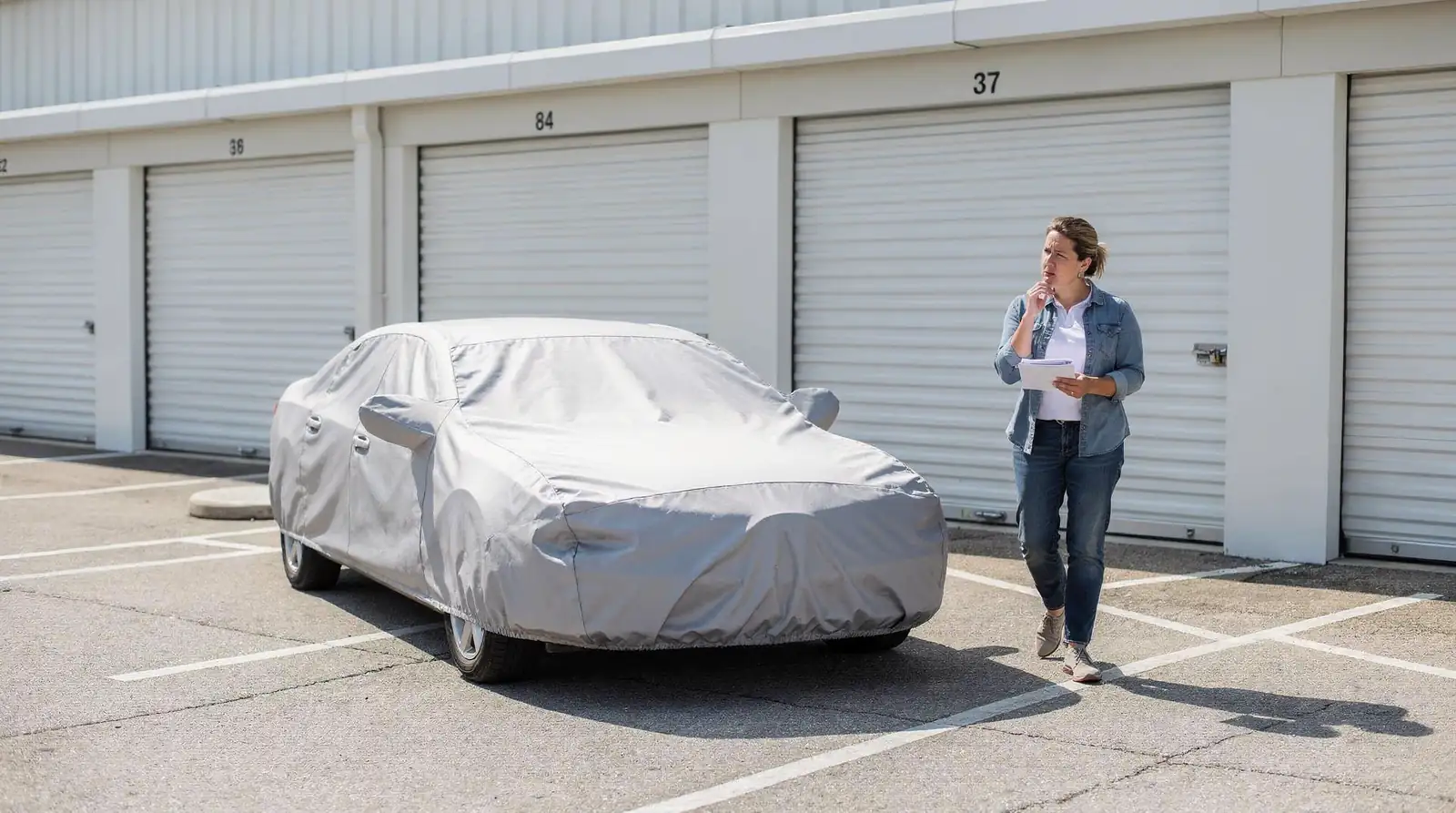
Liability determines who pays when a stored car suffers theft, fire, or storm damage. Storage facilities typically limit their own responsibility through contract language, shifting the financial burden onto the vehicle owner. That arrangement makes vehicle storage liability a matter of personal coverage rather than facility guarantee.
Owners often assume a storage contract automatically includes protection. In practice, facility terms and personal insurance are separate matters entirely. Storage facility insurance requirements describe what a facility carries for its own buildings. Equipment, not for a customer's parked vehicle. Canceling a personal policy while a car sits idle can trim monthly bills. The decision carries drawbacks worth weighing before signing anything.
Seasonal drivers face this choice constantly. Someone spending winter in a warmer climate. Leaving a car behind during an extended vacation, may consider dropping coverage to save money. Short-term savings are real, yet exposure remains if damage or theft occurs during that gap.
Does Storage Unit Insurance Cover My Car?
Standard storage unit insurance, when a facility offers it, generally protects the facility's own inventory and structure. Coverage rarely extends to a customer's vehicle by default. Owners seeking protection typically need a separate vehicle storage insurance policy or an added endorsement on an existing auto policy.
What Drives Storage Unit Insurance Cost?
Storage unit insurance cost tracks closely with unit size, facility location, demand, and availability. Markets offering many facility choices, such as the 101 storage facilities operating in Cleveland, give vehicle owners room to compare pricing against protection levels. Before signing a lease, owners should weigh cost against liability exposure by:
- Confirming whether coverage transfers from a home auto policy
- Reviewing facility contract language for liability limits
- Comparing indoor versus outdoor storage pricing
- Reassessing coverage seasonally as usage patterns change
What Determines Storage Unit Insurance Cost?
Three factors drive the price of protecting a stored vehicle: the insurance provider chosen, the storage facility's own pricing structure, and the regional market. Storage unit insurance cost varies widely because no single formula applies across every provider or location. Owners comparing options should treat price as a range, not a fixed number.
Dedicated vehicle storage insurance plans exist through several auto insurers. Allstate, Erie, and Travelers rank among providers offering dedicated storage coverage, with plans priced around $40 per month. That figure covers stand-alone storage insurance, which is distinct from the rental fees charged by the facility for the physical space.
Facility pricing adds a second layer of cost. Storage providers often publish online-only prices, first-month discounts, or limited-time deals that lower the overall expense of housing a vehicle safely, even before insurance enters the equation. Location matters too: in Austin, Texas, the lowest advertised storage rate starts at pricing varies, showing how regional markets set a baseline cost before any premium gets layered on top.
Does Storage Facility Location Affect Insurance Pricing?
Location shapes baseline storage costs, which indirectly influences a collector's total protection budget. Austin's pricing varies-per-month entry price shows that lower-cost markets leave more room to fund a dedicated policy.
Are Facility Discounts Worth Factoring Into an Insurance Budget?
Yes. First-month discounts and online-only pricing reduce upfront expenses, freeing funds for stronger coverage. Seasonal drivers, RV owners, and classic car collectors benefit most, since pairing a facility deal with a roughly $40-per-month plan keeps total vehicle storage liability protection affordable across a full storage term. Understanding storage facility insurance requirements before signing a lease also prevents unexpected out-of-pocket costs later.
FAQ
Is insurance legally required for a stored vehicle?
No state law mandates coverage for a car, boat, or RV sitting unused in storage. Owners still bear full financial responsibility for theft, vandalism, or weather damage without a policy.
Does a storage unit's insurance cover my vehicle?
Standard storage facility policies protect the building and grounds, not vehicles parked inside. A separate auto policy, even a reduced comprehensive-only plan, addresses theft and weather damage more directly.
What affects vehicle storage insurance costs?
Pricing depends on coverage level, vehicle value, and the facility's security features. Enclosed spaces with lighting and access controls carry different risk exposure than outdoor parking, influencing overall cost.
Facts
- US Storage Units is located in Hallandale Beach, FL, US.
Conclusion
In closing, vehicle storage insurance coverage represents a critical component of comprehensive asset protection for those utilizing self-storage facilities. The options available address distinct risk profiles and property values, requiring careful evaluation of individual circumstances and policy terms.
Selecting appropriate coverage ensures that stored vehicles remain adequately protected against unforeseen loss or damage, thereby safeguarding your investment throughout the storage period.