
10x10 Storage Unit Cost in 2026: What to Expect
A 10x10 storage unit costs $100 to $150 per month in 2026, the national average for this popular size. Climate-controlled options push rates toward the higher end, while basic drive-up units stay near the low end. Location, demand, and amenities shift prices, so comparing nearby facilities uncovers lower rates.
Key Takeaways
- 10x10 storage units provide approximately 100 square feet of space, equivalent to a small bedroom.
- National self storage costs range from $30 to $300+ monthly in 2026 across all unit sizes.
- Climate-controlled storage in Tucson averages $79 per month for all unit sizes combined.
- 10x10 units typically accommodate furniture and boxes from one- or two-bedroom homes during moves or downsizing.
How Much Should You Really Pay Monthly?
A fair monthly rate depends on unit size, facility location, demand, and availability rather than a single fixed number. The 10x10 storage unit cost typically lands between $100 and $150 per month. This size ranks as the most popular choice among renters nationwide. Small business owners storing inventory and downsizers clearing out a house both gravitate toward this size because it balances capacity with a manageable price.
Across the broader market, self-storage rates in 2026 span roughly $30 to more than $300 per month. That wide range reflects real differences between markets, not random pricing. A downtown facility in a high-demand city charges far more than a similar unit outside the metro core.
What Affects the Cost of a Small Storage Unit?
The cost of small storage unit rentals shifts based on four core factors: size, location, seasonal demand, and unit availability. A facility near a dense urban center often prices identical units higher than one a few miles away. Checking multiple nearby ZIP codes before committing exposes these gaps quickly.
How Do I Find the Best 10x10 Storage Unit Prices Near Me?
Comparing listed rates across facilities in a given area reveals the lowest available price and prevents overpayment. Searching 10x10 storage unit prices near me across several nearby locations, rather than booking the first result, consistently uncovers savings.
| Factor | Effect on Monthly Rate |
|---|---|
| Unit size | Larger units cost more; 10x10 sits at the mid-range |
| Location | Urban/high-demand areas price higher |
| Climate control | Adds cost but protects sensitive items |
| Availability | Limited inventory pushes prices up |
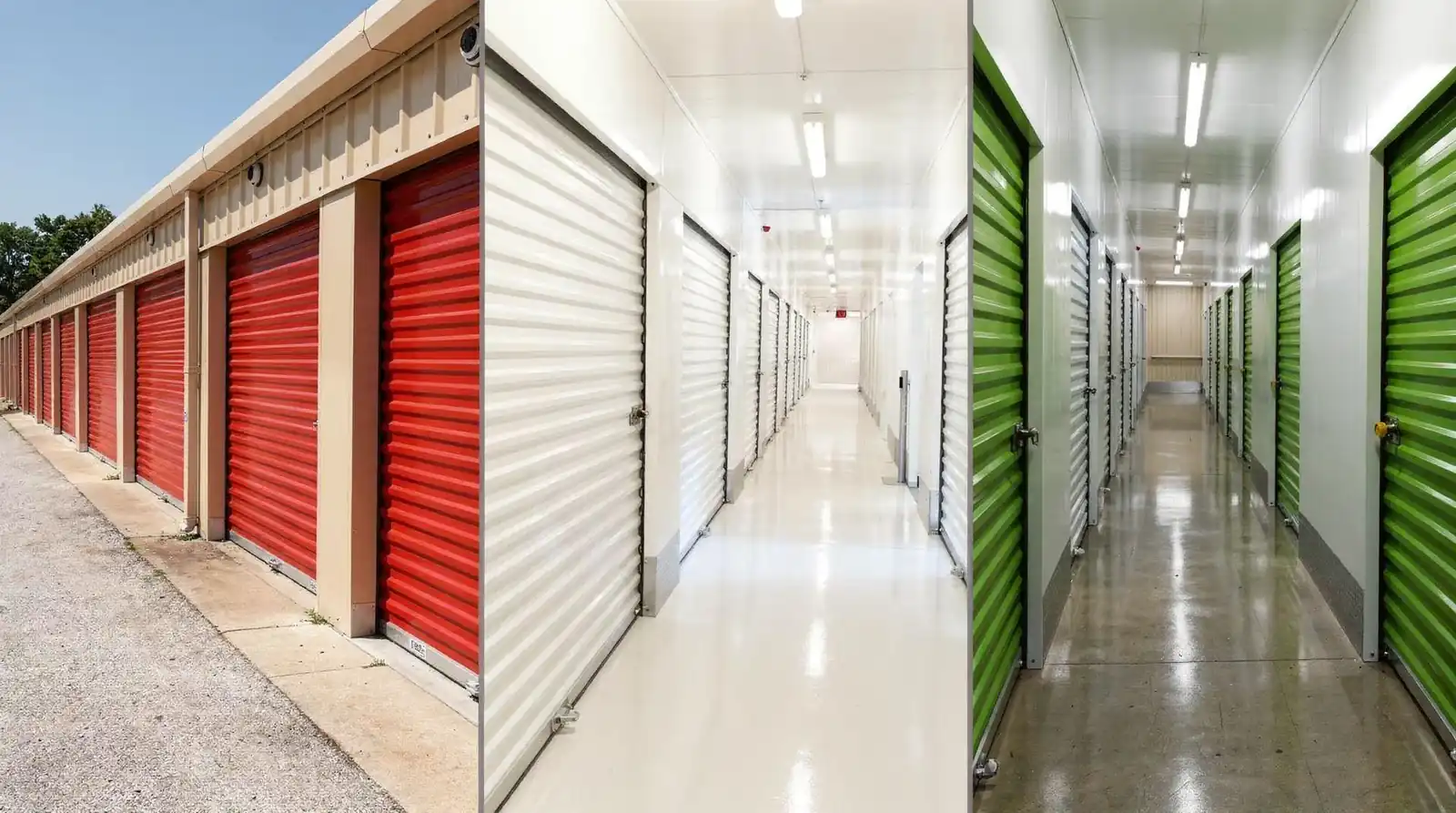
Renters seeking 10x10 climate controlled storage should expect a premium over standard units. Temperature regulation adds equipment and operating cost. Weighing that premium against the value of protected furniture, electronics, or documents makes the added expense easier to justify.
Why Do 10x10 Storage Unit Prices Vary?
Location drives most of the swing in 10x10 storage unit cost, followed by local supply and neighborhood demand. Two facilities three miles apart can post different monthly rates for an identical unit. Renters searching for 10x10 storage unit prices near me often assume one number applies citywide, but that assumption costs money.
ZIP code matters more than most shoppers expect. Storage prices can shift block by block within a single metro area. Checking listings in nearby ZIP codes frequently uncovers a lower rate for the same size unit. Central, high-demand neighborhoods carry a premium over outlying areas simply because storage there fills up faster.
Supply also shapes the cost of small storage unit rentals in a given market. Philadelphia, for example, has roughly 150 storage facilities competing for tenants, which spreads demand across many providers and keeps pricing competitive. Richmond, California, by contrast, has closer to 139 facilities. A thinner supply can nudge prices upward compared to markets with heavier competition.
Does city size affect storage prices?
Yes. Dense urban markets like San Francisco. New York charge two to three times the national storage average, largely because land and warehouse space cost more in those cities. Smaller or less crowded metros typically post lower baseline rates for the same square footage.
Is climate control always more expensive?
10x10 climate controlled storage generally costs more than a standard unit at the same facility, since temperature regulation adds operating expense. That premium still varies by market — a climate-controlled unit in a low-demand area may cost less than a standard unit in a high-demand ZIP code.
| Price Driver | Effect on Monthly Rate |
|---|---|
| Central/high-demand ZIP code | Higher |
| Outlying neighborhood | Lower |
| Low facility supply (e.g., ~139 facilities) | Higher |
| High facility supply (e.g., ~150 facilities) | More competitive |
| Dense urban market (SF, NYC) | 2-3x national average |
Is Climate Controlled Storage Worth The Cost?
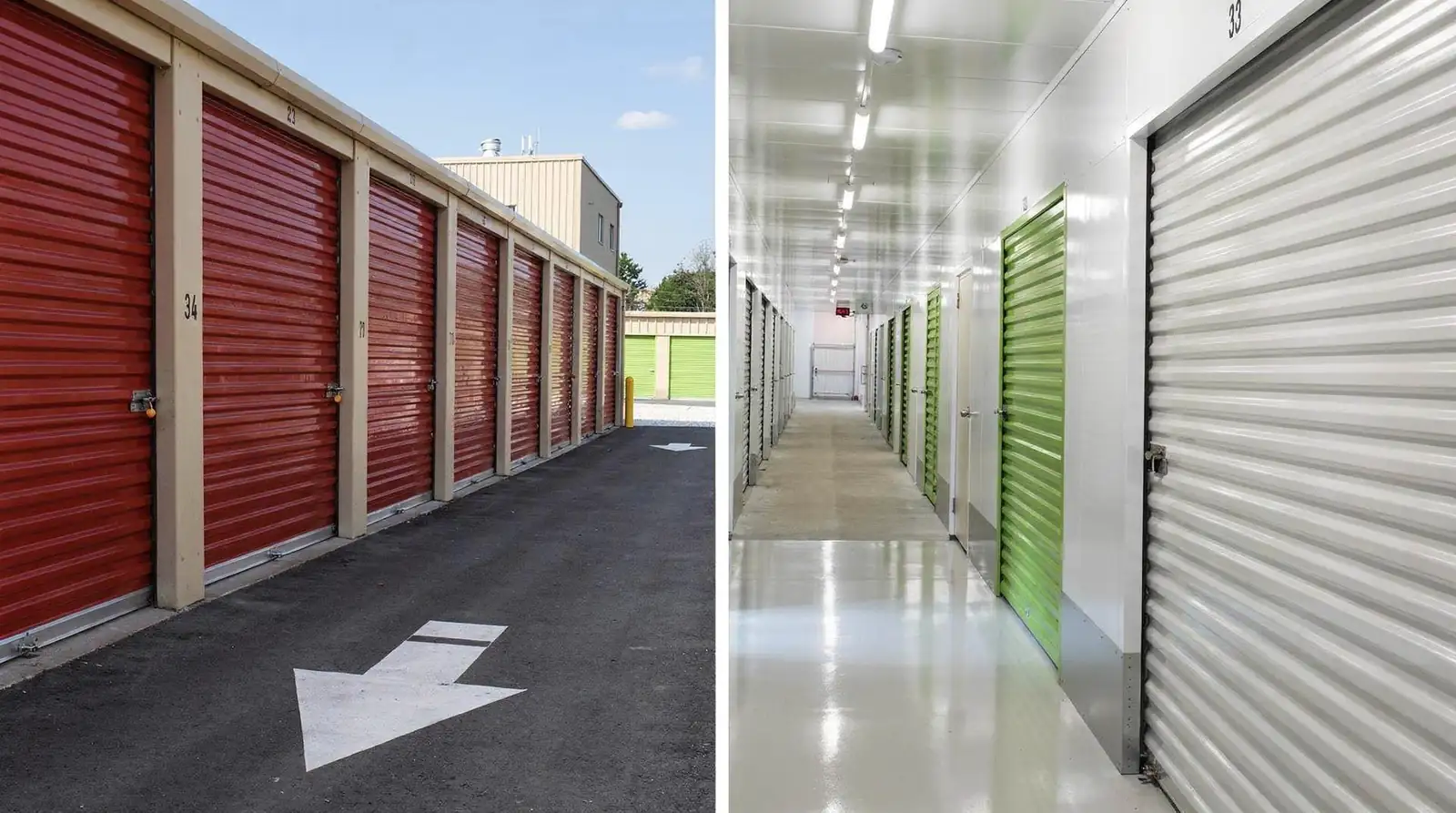
Climate control earns its premium for most households and small businesses storing sensitive items. Skipping it risks warped furniture, mildewed documents, and electronics damaged by heat swings. Losses that often exceed the extra monthly fee. 10x10 climate controlled storage keeps temperature and humidity within a stable range, protecting inventory, wood furniture, and paper records that standard drive-up units cannot shield.
Expect to pay more for that protection. Climate-controlled units generally cost a notable share to 50% more than standard drive-up spaces of the same size. A climate-controlled 10x10 typically runs $120 to $250 or more per month, compared to lower rates for non-climate units, a gap that reflects the added equipment and energy needed to regulate the space.
The final 10x10 storage unit cost still depends on more than climate control alone. Unit size, facility location, local demand, and current availability remain the core price drivers, even after a climate-controlled feature gets added to the equation.
Does Comparing Facilities Lower The Price?
Yes. Checking 10x10 storage unit prices near me across several nearby facilities surfaces the lowest available rate and helps offset the climate-control premium. Prices shift by ZIP code and by facility, so one location's climate-controlled rate may undercut another's standard unit.
Is Climate Control Necessary For A Small Unit?
Not always. The cost of small storage unit rentals without climate control works fine for durable goods like tools or patio furniture. Paper, electronics, wood, and leather items justify the added expense. Temperature swings and humidity cause the most damage in uncontrolled spaces.
What Does A Small Storage Unit Cost?
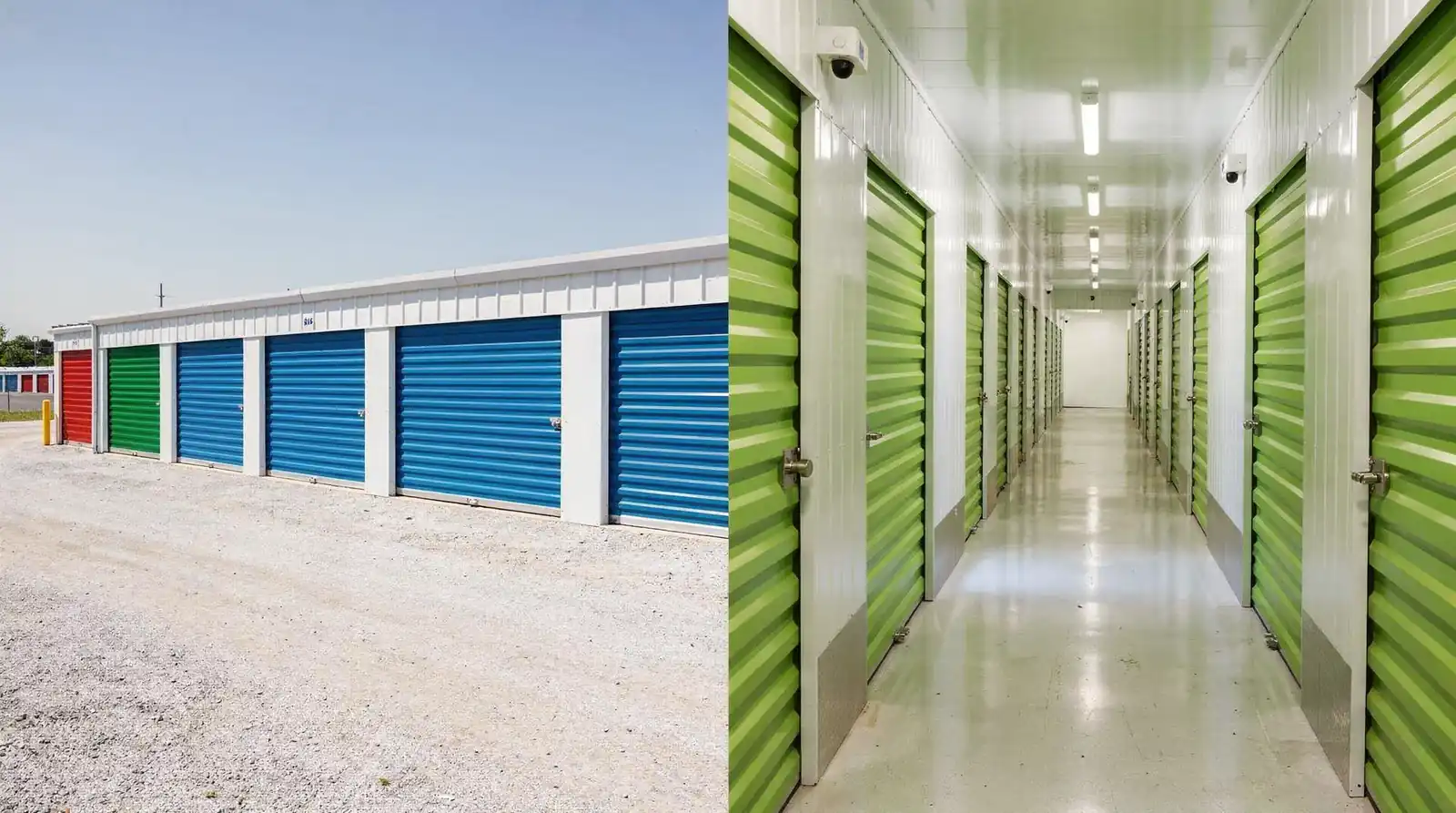
Small storage units cost between $23 and $60 per month in most markets, depending on location and availability. Skipping a price comparison often means paying $20 to $30 more than necessary for the same square footage. The cost of a small storage unit shifts by region, so a fixed number rarely applies across the country.
Some markets advertise units for as little as $23 per month for the smallest available size. National averages, however, place small 5x5 units closer to $40 to $60 per month. Tucson offers a middle ground, with 5x5 units starting around $30 per month. These gaps show why location matters as much as unit size when budgeting for storage.
How can renters find the lowest small storage unit price nearby?
Sorting available listings by lowest price is the most direct way to spot the cheapest small units in a given market. This method surfaces rate differences between facilities that sit just a few miles apart. Checking multiple ZIP codes within one city often reveals savings that a single-location search would miss.
Consider these starting benchmarks when budgeting:
| Market Type | Typical 5x5 Starting Price |
|---|---|
| Low-cost advertised markets | $23/month |
| Tucson, AZ | $30/month |
| National average | $40–$60/month |
Does climate control raise the price of a small unit?
A 10x10 climate controlled storage unit typically costs more than a standard unit of the same footprint. Temperature regulation adds equipment and utility expense. Renters storing electronics, documents, or furniture often accept the added cost of a small storage unit to protect sensitive items from heat and humidity swings.
How Do You Lock In The Lowest Price?
Locking in a low rate starts with comparison before commitment. Renters who check listings by location, distance, price, and availability side by side gain leverage that walk-in customers rarely get. Skipping this step often means paying the first quote a facility offers, which is rarely the lowest one available.
Speed matters just as much as comparison. Quoted rates change without warning, especially for popular sizes near moving season. Reserving a unit online or by phone soon after finding a favorable rate locks that price in before availability tightens or the offer expires.
Are online storage deals actually cheaper?
Yes. Certain facilities post online-only pricing that undercuts their in-person quotes, along with first-month discounts or limited-time promotions. These offers lower the effective monthly cost of a small storage unit, particularly during the first few months of a lease. Confirming whether a listed rate is a promotional price or a standard rate prevents surprises at renewal.
A short pricing checklist helps renters avoid overpaying:
- Compare multiple facilities by size, distance, and monthly rate before choosing one.
- Ask specifically about online-only pricing versus standard walk-in rates.
- Reserve promptly once a favorable rate appears, since pricing shifts with demand.
- Read the fine print on any discount to know when the promotional rate expires.
Does reserving early guarantee the lowest rate?
Not automatically, but it prevents losing a rate already found. Facilities adjust pricing based on demand and unit turnover, so a rate available today may not hold tomorrow. Early reservation protects the number a renter has already compared and confirmed.
FAQ
How much does a 10x10 storage unit cost in 2026?
A 10x10 storage unit costs $100 to $150 per month in 2026, the national average for this popular size.
What factors affect 10x10 storage unit pricing?
Four core factors shift the cost: size, location, seasonal demand, and unit availability. Urban or high-demand ZIP codes price identical units higher than nearby outlying areas.
Is climate-controlled storage more expensive than a standard unit?
Yes, 10x10 climate controlled storage carries a premium over standard drive-up units since temperature regulation adds equipment and operating cost. That added expense protects sensitive furniture, electronics, or documents.