
How to Pack a Storage Unit and Maximize Space
Storage units, like the ones offered by US Storage Units in Hallandale Beach, FL, maximize space by using uniform box sizes, stacking heaviest items on the bottom, placing furniture on end, and creating a center aisle for access while filling floor-to-ceiling along walls.
Maximum space in a self-storage unit comes from vertical stacking, uniform box sizes, and a center aisle left open for access. Heavy items belong on the bottom, furniture gets disassembled, and shelving holds small boxes upright. Among the 150 Los Angeles facilities listed on usstorageunits.com, clients who plan layouts
Key Takeaways
- Plan your packing strategy before moving items into the storage unit to maximize every square foot of space.
- Place heavier boxes on the bottom and lighter items on top to prevent damage and improve stability.
- Create an organized inventory list with item locations to quickly locate specific belongings without searching through clutter.
- Leave a center aisle for access and arrange frequently needed items near the front of the unit.
What Do You Need Before Packing a Storage Unit?
Preparation determines whether belongings survive storage intact or emerge damaged months later. Renters who skip prep work risk mildew, pest infestation, and general deterioration that can ruin furniture, documents, and fabrics before moving day even arrives. Four steps come before the first box goes in: protecting items from moisture, confirming the unit is clean, measuring for the right size, and locking in a price that fits the budget.
Does the storage unit need to be clean before moving items in?
Yes, confirmation matters even at a well-maintained facility. Most self-storage operators keep units clean by policy, but renters should still check the space themselves. A quick walk-through for dryness and dust protects against surprises once boxes are sealed and stacked.
How does unit size affect storage packing tips and pricing?
Size selection shapes both cost and available packing tips storage unit renters can use later. Storage prices shift based on unit size, facility location, demand, and availability, so choosing a unit that matches actual inventory avoids overpaying for empty space. Measuring furniture and boxes against unit dimensions before booking prevents wasted square footage and awkward gaps.
Before booking, renters should complete this short checklist:
- Inspect the unit for dryness, dust, and signs of pests.
- Measure large furniture pieces bumper-to-bumper against the unit's listed dimensions.
- Leave clearance near the door for entry and exit during loading.
- Compare pricing across nearby facilities based on size and demand.
Skipping any one of these steps often forces a second trip, a bigger unit, or a rushed repack.
Which Storage Unit Size Fits Your Belongings?
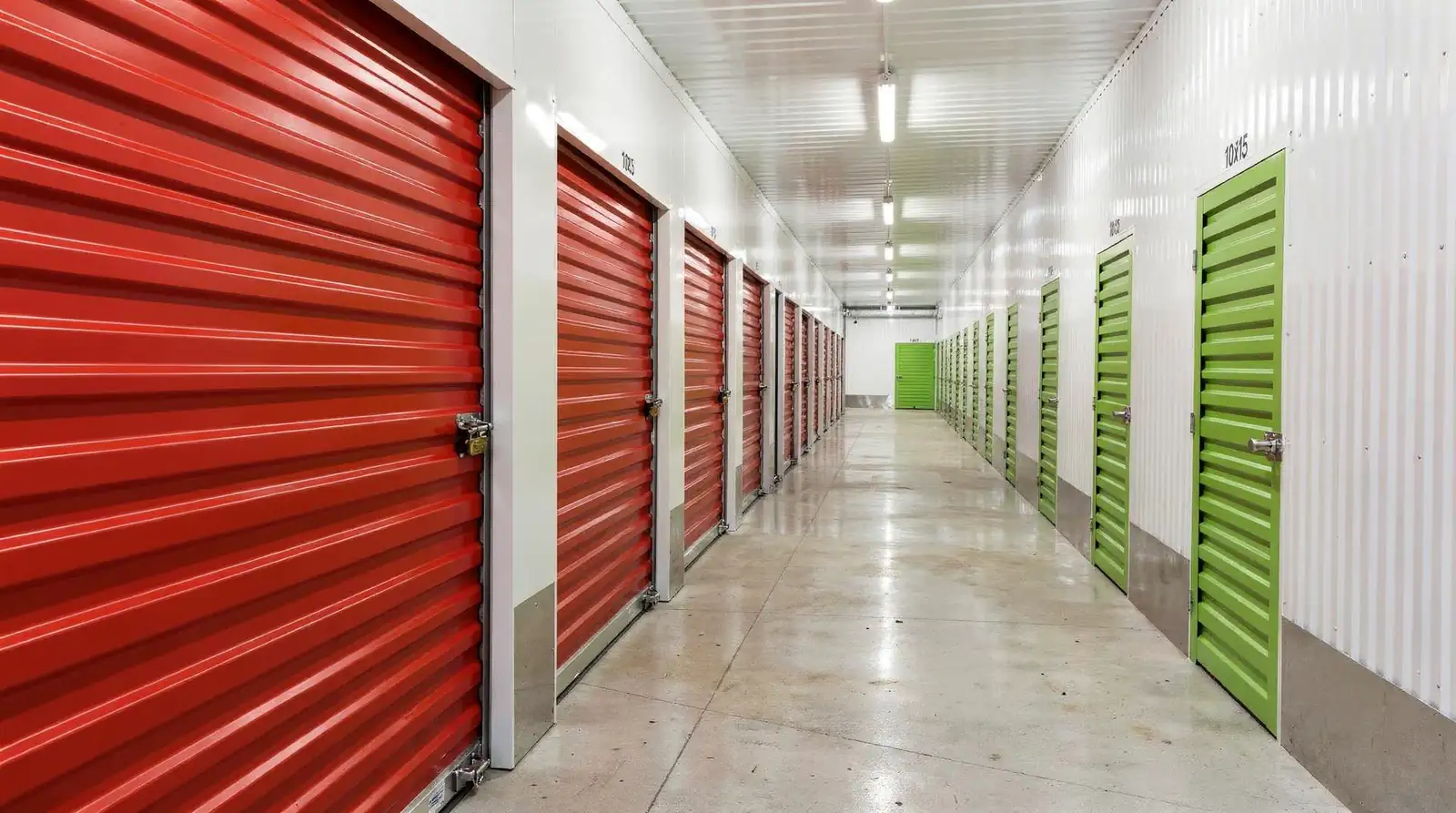
Unit dimensions determine how much furniture, boxes, or equipment a renter can store without wasting square footage. Standard sizes such as 10x15, 10x20, 10x25, and 10x30 exist for exactly this reason: they let renters match capacity to their actual volume of belongings while keeping enough clearance to walk around large items. Choosing a size too large wastes money every month. Choosing one too small forces a second rental or a frustrating repack.
Follow these steps before signing a lease:
- List major items by category (furniture, boxes, appliances, vehicles) and estimate total volume.
- Compare that estimate against standard sizes, starting with 10x15 for smaller loads and moving up to 10x30 for larger households or vehicle storage.
- Review available units in the target market side by side, since facilities list available unit sizes, web prices, and storage deals, making direct comparison possible before committing.
- Check nearby ZIP codes for lower rates before finalizing a choice.
How much does storage unit size affect price?
Size drives cost more than almost any other factor. Pricing varies by package and facility; contact the brand directly for more information, as larger sizes typically command higher rates. Selecting the smallest size that fits current belongings, rather than the largest available, keeps monthly costs down.
Is it better to size up or size down?
Sizing down saves money only if belongings actually fit with room to access them. Comparing storage units across a market helps renters find the lowest available price and avoid overpaying for unused square footage. Measuring items first, then matching them to a standard size, prevents both wasted space and wasted cash.
How Do You Pack a Storage Unit Step by Step?
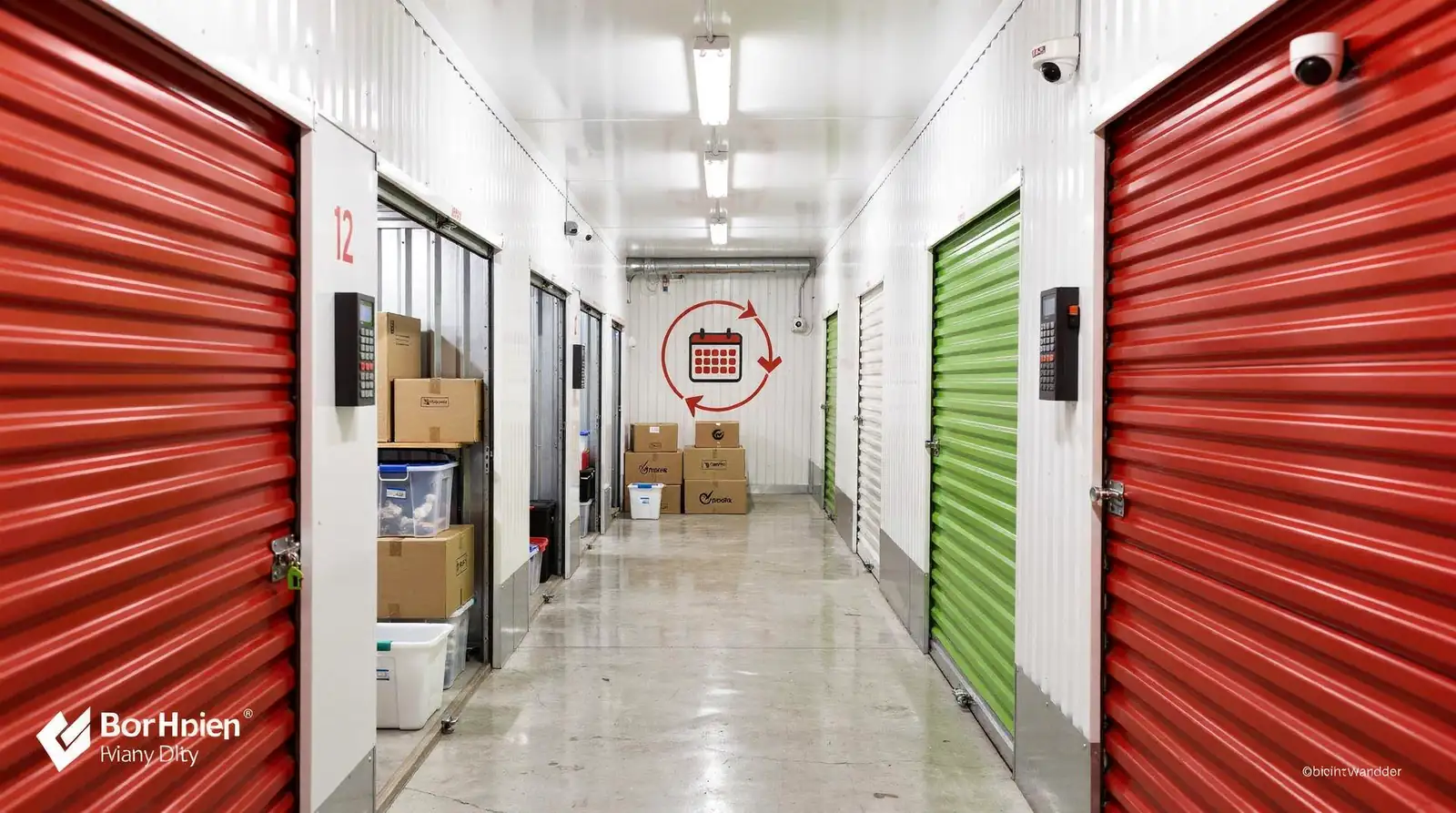
A well-packed storage unit follows a clear sequence: plan first, load heavy items last, and label everything before the door closes. Skipping the planning stage forces renters to dig through stacked boxes later, wasting time that a short packing session upfront would have saved. Successful storage unit packing tips rest on preparation, not improvisation.
Renters who confirm two things before loading avoid most mid-move headaches: a rental term matching the length of the project, and a rough map of where each item category will sit. A month-to-month lease suits movers and downsizers storing belongings during a relocation or renovation. It offers flexibility without a long-term commitment.
- List every item category — furniture, boxes, seasonal gear, business inventory — before packing a single box.
- Load large furniture and appliances against the back wall first, since these items rarely need mid-storage access.
- Leave a walkway from the door to the back wall so entry and exit stay clear, even once the unit fills up.
- Stack labeled boxes by category, placing frequently needed items near the front.
- Fill remaining gaps with soft goods, such as linens or clothing, to prevent shifting.
- Photograph the finished layout as a quick reference for locating items later.
Renters who follow how to pack a storage unit correctly rarely need to unstack boxes just to find one missing item.
What Should Go on a Storage Unit Packing Checklist?
A storage unit packing checklist lists categories, box counts, and placement notes before loading day arrives. It should include supplies such as tape, labels, and furniture covers so nothing gets left behind at home. Checking items off as they load prevents duplicate trips and confirms nothing sits forgotten in the truck.
What Are the Best Storage Unit Organization Ideas?
Effective storage unit organization ideas center on zoning the unit by category. Keeping a center aisle open at all times. Shelving units maximize vertical space above stacked boxes without blocking that walkway clearance. Renters focused on how to organize a storage unit for the long haul benefit from keeping the space tidy and clutter-free from the very first box. A clean start keeps every later retrieval fast.
FAQ
What packing techniques maximize space in a storage unit?
Uniform box sizes, heaviest items on the bottom, furniture placed on end, and a center aisle while filling floor-to-ceiling along the walls maximize storage unit space.
What should renters do before packing a storage unit?
Renters should protect items from moisture, confirm the unit is clean, measure for the right size, and lock in pricing that fits their budget before packing begins.
How does choosing the right unit size help maximize space?
Matching dimensions like 10x15, 10x20, 10x25, or 10x30 to actual inventory volume avoids wasting square footage, overpaying for empty space, and prevents a forced second rental or repack.