
Storage Unit Checklist: Before, During, After
A complete storage move-in checklist includes three phases: before (measure items, choose unit size, book with US Storage Units), during (bring padlock, ID, payment method, inspect unit condition), and after (organize items, verify climate control settings, photograph contents, confirm lock security before leaving Hallandale Beach facility).
Checklist essentials: before move-in, plan an eight-week timeline and compare unit sizes. During move-in, load heaviest items first and maximize space efficiently; after move-in, verify locks and access. US Storage Units, based in Hallandale Beach, FL, recommends this structured before-during-after approach to prevent damaged furniture and wasted space.
Successful storage moves follow three phases: before, during, and after move-in. Before move-in, clients confirm unit size and access hours. During move-in, they inventory boxes and photograph valuables; after move-in, they verify locks and climate settings. U.S. Storage Units offers self-storage units in over 10,000 storage facilities nationwide, giving renters a wide range of locations to compare. Renters compare pricing and availability across these facilities before committing.
Key Takeaways
- Start planning eight weeks ahead and break tasks into manageable steps to reduce moving stress.
- Pack efficiently and strategically fit items to maximize your storage unit's available space.
- US Storage Centers operates hundreds of convenient locations throughout the United States with customer support.
- Use short-term storage for overflow items to prevent last-minute chaos during your move.
What Should You Know Before Renting a Storage Unit?
Renters gain the most value by comparing prices across multiple facilities before signing a lease. Overpaying for unused space remains a common outcome among customers who skip this step. A storage unit rental checklist should open with a side-by-side price comparison. Rates for the same unit size can differ sharply between two facilities only a few miles apart.
Storage rates shift according to unit size, facility location, current demand, and available inventory. Two locations offering identical square footage sometimes post very different monthly rates for exactly these reasons. Checking several nearby ZIP codes before booking often uncovers a lower price on a comparable unit.
How can renters compare storage facilities effectively?
Renters compare facilities by viewing a map that displays location, distance, price, and availability together. This view lets a customer weigh a lower rate against a longer drive, or a closer unit against a higher price. Reviewing three or four options before booking usually narrows the choice down to the best overall value.
Before move-in day arrives, every renter benefits from a basic storage unit checklist:
- List every item planned for storage, room by room.
- Confirm which unit size fits that inventory without wasted space.
- Compare prices and lease terms across nearby facilities.
- Review each facility's access hours and payment policy.
Following these storage unit move-in tips early prevents rushed decisions once moving day begins. A clear moving into a storage unit checklist turns what to know before renting a storage unit into a short, manageable task list instead of a last-minute scramble.
What Belongs on Your Pre-Move-In Checklist?
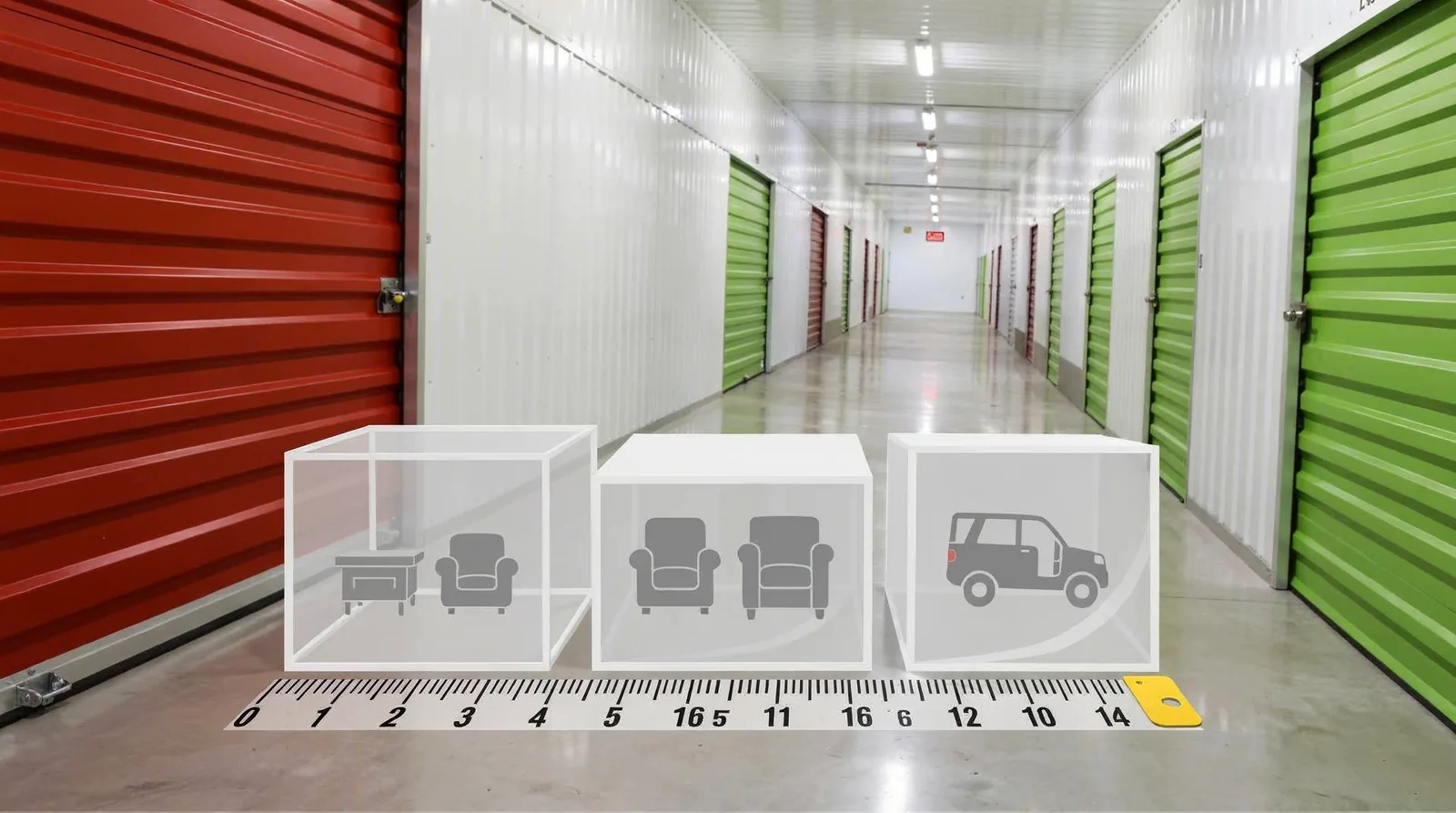
A solid storage unit checklist starts weeks before the first box gets taped shut, not on move-in morning. Skipping this prep stage often leads to an undersized unit, wasted floor space, or a chaotic last-minute scramble to fit everything inside. Building a storage unit rental checklist early gives renters time to measure, sort, and gather supplies without pressure.
Follow these steps in order before booking a unit or loading a single box:
- Measure the largest items first. Take exact dimensions of furniture, appliances, or a vehicle before choosing a unit size, and factor in extra clearance for walking in and out.
- Match those measurements to a unit size. Common footprints run from smaller units up through 10x15, 10x20, 10x25, and 10x30, depending on volume and whether extra maneuvering room is needed.
- Declutter every room in the home. Sell, donate, or discard unwanted items before packing starts; this single step often cuts the total move volume significantly.
- Gather the right packing supplies. Sturdy boxes, tape, and padding protect fragile items and keep the unit organized once loading begins.
What size unit should renters book?
Unit size depends on what gets stored, not guesswork. Renters comparing furniture-heavy moves against vehicle storage should size up rather than settle for a tight fit.
What should renters know before renting a storage unit?
Renters benefit from confirming measurements and supply needs before signing a lease. These storage unit move-in tips apply whether the move involves a studio apartment or a full house. They form the backbone of any moving into a storage unit checklist worth following.
How Do You Complete Move-In Day Steps?
Move-in day success depends on sequence, not speed. Renters who follow a set order avoid wasted trips, mismatched boxes, and units that fill up before the largest items go in. A clear storage unit checklist turns a chaotic afternoon into a controlled, efficient process.
Before loading anything, confirm the basics are locked in. A storage unit rental checklist should include these prerequisite checks:
- Confirm the reservation and rate. Locking in a reservation online or by phone beforehand secures a price before rates change.
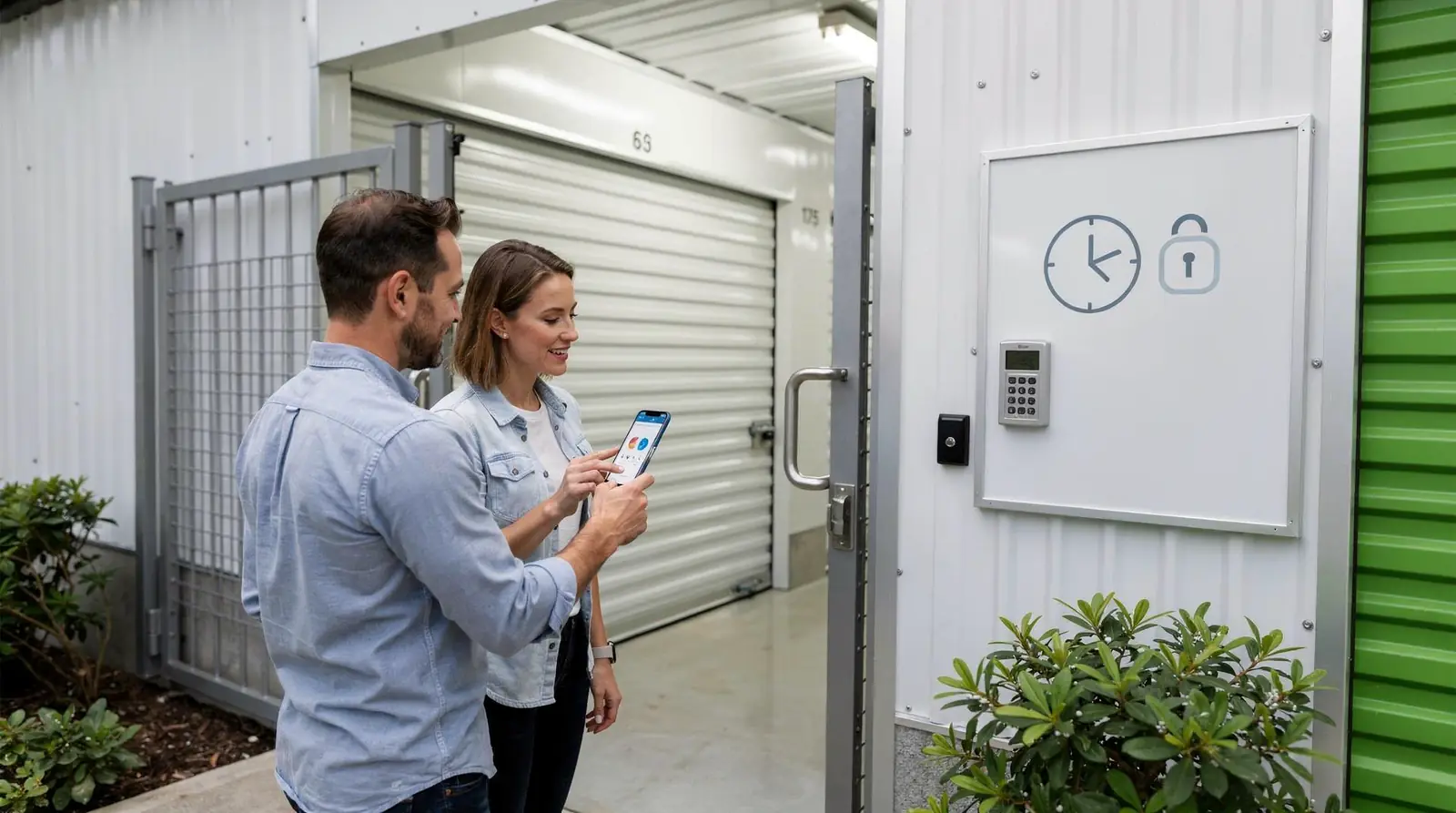
- Verify facility access details. Compare security lighting, access controls, and posted entry hours so the unit stays reachable at the times needed.
- Gather packing supplies. Boxes, tape, and furniture padding should be on hand before the truck arrives.
- Pack efficiently at home. Items load faster and survive transit better when boxed by weight and room.
- Load the truck with heavy items first, fragile items last, to keep boxes protected during transport.
- Stack the unit strategically, placing frequently needed items near the door and bulky furniture toward the back wall.
- Walk through the completed unit, checking that everything fits without blocking the door or aisle.
What should renters double-check before leaving the facility?
Renters should verify the lock is secure and the access code or entry system works before driving off. A quick photo of the packed unit provides a useful reference for future visits.
Skipping any step above raises the odds of missed details. Storage unit move-in tips consistently point to one lesson: a checklist saves time, reduces stress, and keeps belongings protected once the door closes.
What Should You Verify After Moving In?
Confirmation, not assumption, protects belongings once the last box sits inside the unit. Following a structured storage unit checklist turns move-in day into a controlled process instead of a guessing game. Skipping verification steps risks billing errors, restricted access, or costs no one planned for.
A complete moving into a storage unit checklist addresses steps before, during, and after belongings arrive in the space. After settling in, renters should complete these actions:
- Compare the billed monthly rate against the advertised web price; some markets list rates as low as pricing varies, so any mismatch deserves a call to the facility.
- Test the gate code and unit lock to confirm both work as described in the rental agreement.
- Walk the access route to the unit and time it, especially for renters planning repeat visits.
- Review the lease terms for month-to-month flexibility, useful for short-term storage during travel, relocation, or home renovations.
Should renters double-check pricing after signing?
Yes. Advertised prices sometimes differ from the final billed amount once fees or promotions apply. Comparing the two protects renters from overpaying and gives grounds to raise the issue with staff quickly.
What if access hours don't fit a renter's schedule?
Renters who plan to visit the unit often should confirm the facility offers reliable access hours. Straightforward gate procedures before finalizing storage plans. Facilities vary widely on this point. Mismatched hours turn a convenient unit into a daily inconvenience.
Following these storage unit move-in tips as part of a broader storage unit rental checklist keeps costs predictable. Access dependable long after the moving truck leaves.
What Mistakes Should You Avoid During Move-In?
Four errors cause most move-in regrets: overpaying, ignoring nearby rates, skipping a plan, and rushing the pack. Renters following a storage unit checklist avoid nearly all of them by acting deliberately rather than reactively. Each mistake has a clear fix. Correcting it takes only a few extra minutes before boxes ever leave the truck.
- Check for discounted pricing before signing a lease. Facilities often list online-only prices, first-month discounts, or limited-time storage deals that never appear at the counter, so skipping this step means paying full price unnecessarily.
- Search nearby ZIP codes, not just the closest facility. A unit two miles away can rent for less than one down the street, and failing to compare locations is a common oversight that inflates monthly cost.
- Build a written moving-into-a-storage-unit checklist before the move date. Skipping a step-by-step approach commonly leads to chaotic packing or forgetting to book movers in time.
- Follow the correct loading order from the start. Rushing the process risks damaged furniture, lost boxes, and wasted space inside the unit.
What is the most common storage move-in mistake?
Renters most often skip price comparison and location research before signing a lease. This oversight leads directly to overpaying when a comparable unit nearby offers a lower rate or an active discount.
Why does planning matter before renting a unit?
A clear plan prevents last-minute scrambling on move day. Anyone unsure what to know before renting a storage unit should treat scheduling, pricing, and packing order as three separate tasks, each requiring its own checklist item rather than one rushed decision.
FAQ
What should renters do before move-in day?
Renters list every item planned for storage, confirm the right unit size, compare prices and lease terms across nearby facilities, and review access hours and payment policies.
What happens during the move-in process?
During move-in, renters load heaviest items first, maximize space efficiently, inventory boxes, and photograph valuables to keep the process organized and prevent damaged furniture.
What steps come after move-in is complete?
After move-in, renters verify locks, confirm access, and check climate settings to ensure security and proper conditions for stored belongings at the facility.