
Storage Unit Size Guide for Your Move
A 5x5 unit fits a small closet's contents, 10x10 suits a one-bedroom apartment, and 10x20 holds a three-bedroom house. US Storage Units, based in Hallandale Beach, FL, recommends listing furniture and boxes first, then matching totals to standard unit dimensions before booking.
Belongings dictate size: small units (5' x 5' to 5' x 10', 0—50 sq. ft.) suit seasonal items or closet overflow, while medium units (51—150 sq. ft.) handle apartment moves or remodeling overflow. Inventory your items, then match totals to these approximate ranges, since sizes vary by facility.
Correct storage unit sizing depends on room count: studio and one-bedroom apartments typically need a small unit, two- to three-bedroom homes require a medium unit, and four-bedroom households need a large unit. U.S. Storage Units lists 150 facilities in Los Angeles, CA, with sizes ranging from lockers to large units, letting movers compare options before booking.
Key Takeaways
- US Storage Units in Hallandale Beach, FL offers five distinct storage unit size categories for different needs.
- Storage unit sizes range from small lockers to large units that accommodate entire home contents.
- Move.org evaluated 156 moving companies using 80+ years of expert experience for storage recommendations.
- Self-storage facilities provide budget-friendly locker options for homeowners needing extra room in homes or garages.
What Do You Need Before Choosing a Size?
Three items determine the correct unit size: an inventory list, measurements of large items, and a comparison of local rates. US Storage Units, headquartered in Hallandale Beach, FL, lists facilities nationwide so renters can compare options before a move rather than guessing at the counter. A proper storage unit size guide turns rough estimates into a confident booking decision.
Preparation follows a clear order:
- List every item planned for storage, grouping boxes, furniture, and appliances separately.
- Measure bumper-to-bumper length and mirror width for any vehicle, couch, or oversized appliance, then add room for entry and exit clearance.
- Search available units by location, distance, price, and availability using an online comparison map before selecting a facility.
- Match the inventory against unit dimensions, since prices vary by size, location, demand, and availability.
Skipping the measurement step often leads to booking a unit that is too small, forcing an upgrade mid-lease at a higher rate.
How much does picking the wrong size cost?
Renters who underestimate space needs frequently overpay. The gap between a small and medium unit can exceed pricing varies, even when working with a reputable storage provider. Sizing correctly the first time avoids that penalty entirely.
Should renters compare prices before booking?
Yes. Rates shift by facility, size, and season, so checking multiple locations protects against overpaying. Comparing options side by side, by location and availability, typically surfaces lower rates than booking the first available unit.
What Size Fits Small Loads or Studios?
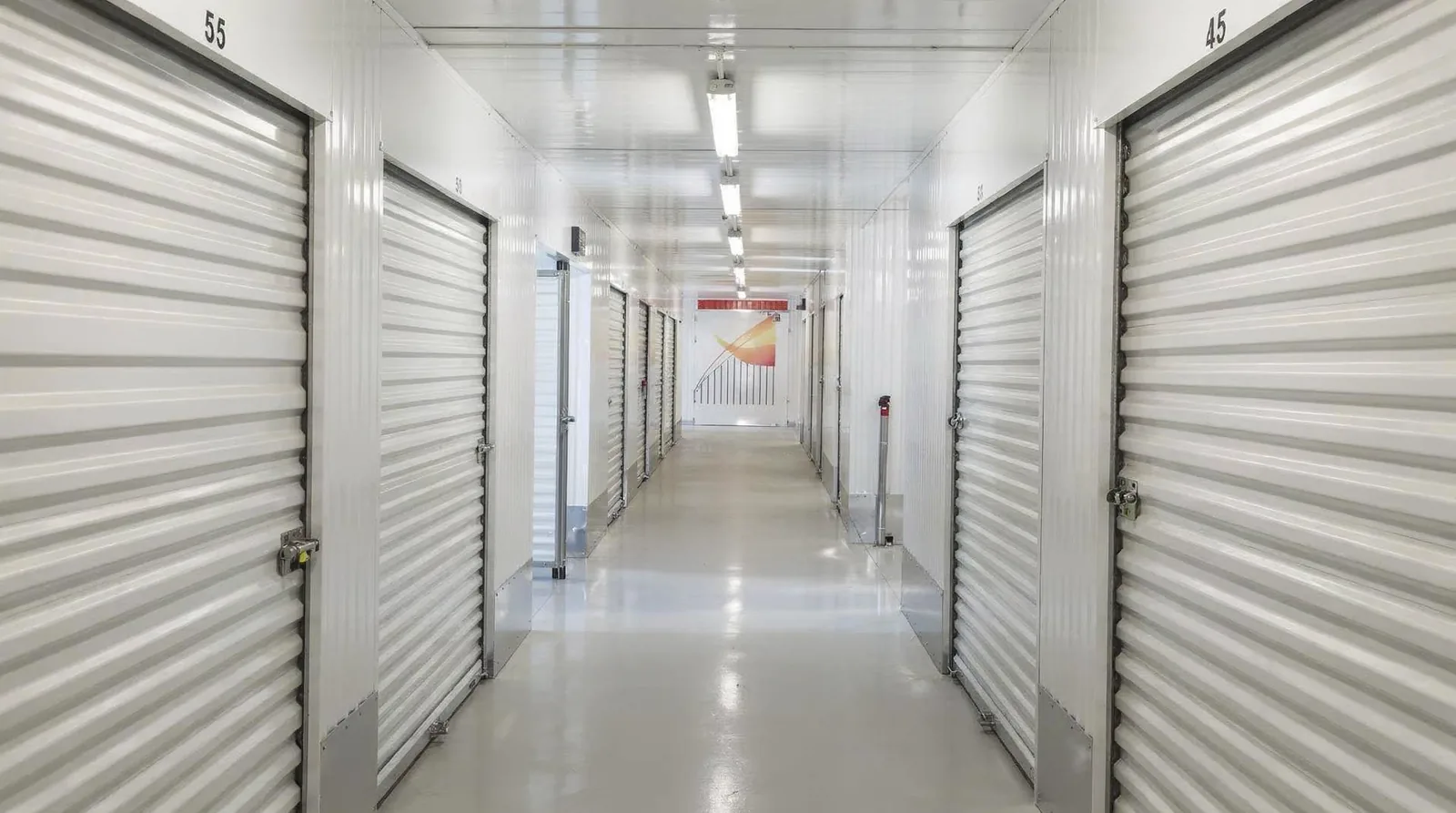
Small storage needs rarely demand more than 50 square feet of floor space. A five-by-five unit delivers about 25 square feet and 200 cubic feet, matching the contents of one storage closet. Renters clearing a studio apartment or downsizing from a single bedroom typically start their search here. Guessing wrong on size forces costly mid-lease upgrades or repeat trips hauling boxes back and forth.
Small units, generally spanning 0 to 50 square feet, range from a five-by-five up to a five-by-ten. This bracket covers seasonal decorations, textbooks between semesters, or the overflow from one crowded closet. A broader storage unit size guide helps first-time renters match box count. Furniture pieces to the right footprint before signing a lease.
Is a 5x5 Unit Big Enough for a Studio Apartment?
A five-by-five unit suits a studio only if the load stays limited to boxes, a few totes, and small furniture pieces. Renters with a mattress, dresser, or couch generally need the larger end of the small-unit range, closer to five-by-ten. Answering what size storage unit is needed starts with an honest inventory count, not a guess.
What Fits in a Storage Locker?
Storage lockers offer a budget-friendly option for compact items that skip the need for extra height or floor space. Shoes, travel bags, and folded clothing store well in a locker without paying for unused square footage.
| Option | Approx. Size | Best For |
|---|---|---|
| Storage locker | Compact, varies | Small boxes, shoes, seasonal clothes |
| 5x5 unit | 25 sq ft / 200 cu ft | One closet's contents |
| 5x10 unit | 50 sq ft | Studio apartment overflow |
Comparing listed monthly rates, some markets show prices as low as pricing varies, prevents overpaying for small-unit space.
What Size Do You Need for a Household?
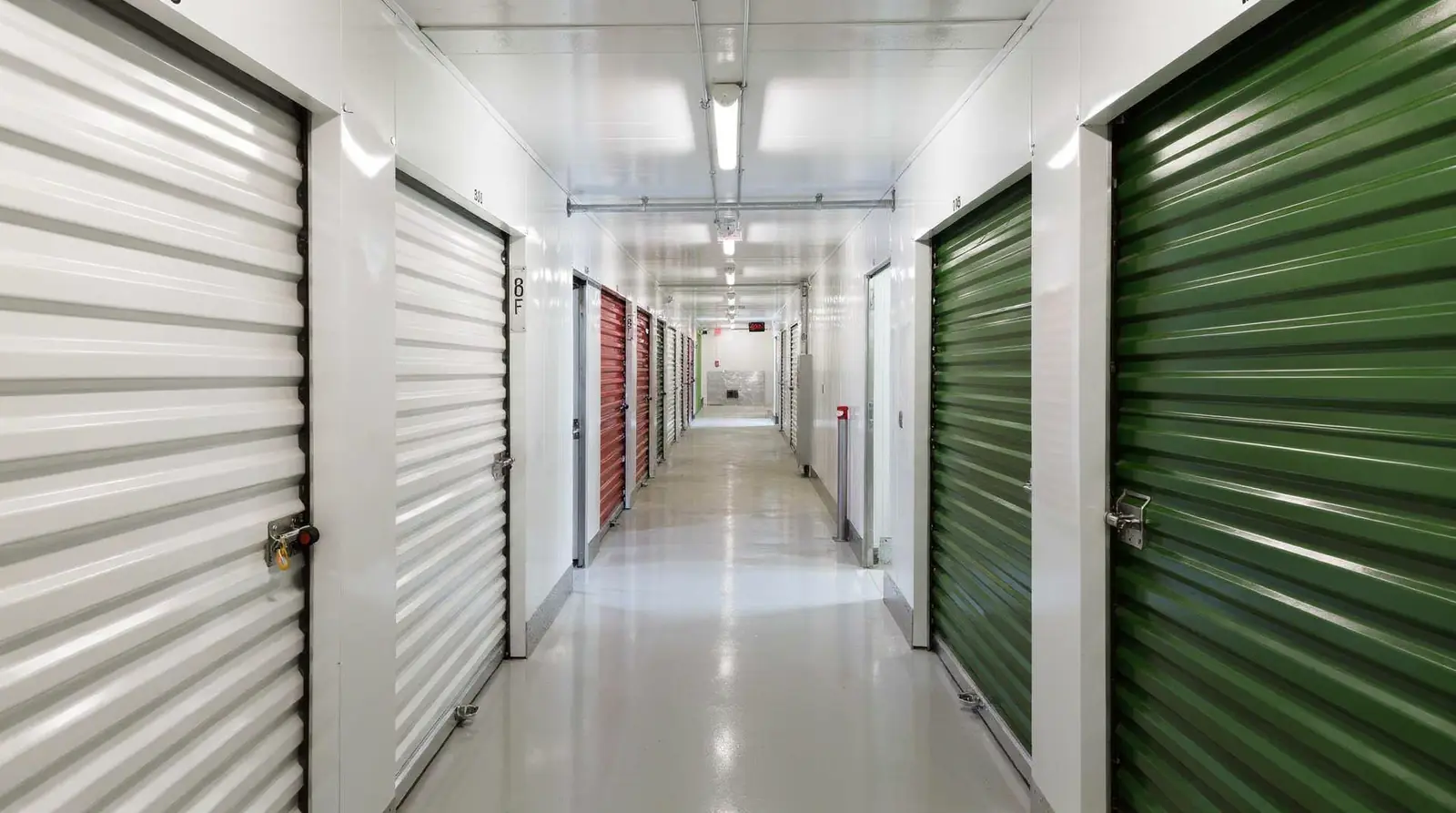
Household movers typically need a medium storage unit or a large storage unit, depending on how many rooms are involved. A one-bedroom apartment fits into a smaller footprint than a three-bedroom house. Choosing the wrong size wastes money every month a lease runs.
Medium units span 51 to 150 square feet, translating to dimensions between 5x15 and 10x15 feet. These sizes suit renters relocating between apartments or homeowners clearing out a room mid-remodel. Furniture, boxed kitchenware, and seasonal items generally fit without stacking to the ceiling.
Large units start at 150 square feet and climb from there. Households packing an entire home's worth of belongings. Living room furniture, bedroom sets, appliances, garage overflow — need this tier. Skipping straight to a large unit avoids the frustration of running out of room mid-move and having to rent a second space.
How Does a 10x10 Unit Compare to a 10x20?
A 10x10 storage unit size offers 100 square feet, enough for the contents of a one- to two-bedroom home, including a bedroom set, a couch, and stacked boxes. A 10x20 storage unit size doubles that to 200 square feet, handling a three- to four-bedroom household with large furniture, appliances, and multiple box rows.
| Unit Size | Square Footage | Best For |
|---|---|---|
| 10x10 | 100 sq. ft. | 1–2 bedroom household |
| 10x20 | 200 sq. ft. | 3–4 bedroom household |
Before booking, movers benefit from comparing prices across their metro area rather than settling on the first listing. Rates fluctuate by facility and neighborhood, so checking nearby ZIP codes often surfaces a lower price for the same square footage.
How Does a 10x20 Unit Compare?
A 10x20 storage unit size offers roughly double the floor space of a 10x10, making it suited for vehicles, oversized furniture, and the contents of a small home. Renters comparing a storage unit size guide often place the 10x20 next to the 10x15, 10x25, and 10x30. These four sizes cover most car, truck, and bulky-item storage needs. The right choice depends on the length of the item being stored and whether extra clearance around the sides matters.
Movers weighing what size storage unit do i need for a relocation should think beyond boxes. A 10x10 storage unit size works for a one-bedroom apartment's worth of furniture. It falls short once a vehicle, boat trailer, or oversized couch enters the picture. That's where the 10x20 earns its keep.
| Unit Size | Best For |
|---|---|
| 10x15 | Compact cars, small apartment contents |
| 10x20 | Sedans, small trucks, home renovation overflow |
| 10x25 | Larger vehicles, multi-room household goods |
| 10x30 | Full home contents, oversized vehicles with clearance |
Is a 10x20 unit good for short-term moves?
Month-to-month rental terms make the 10x20 practical for temporary situations. Renters relocating between homes, traveling for extended periods, or renovating a driveway or garage benefit from flexible, no-long-lease access.
What if a vehicle is too large for a 10x20?
Owners of oversized vehicles, campers, or bulky household loads should skip the 10x20 and review RV storage options instead. Before committing to any large unit, renters should compare security lighting, access controls, and entry hours across facilities, ensuring the space stays reachable and protected whenever access is needed.
What Mistakes Lead to Wrong-Size Rentals?
Four recurring errors push first-time renters into the wrong unit: underestimating volume, skipping price comparisons, ignoring web-only rates, and delaying reservation. Each mistake carries a financial penalty on top of the hassle of moving belongings twice. A first-time renter who avoids all four steps below secures both the correct size and the correct price.
How much does picking the wrong size actually cost?
Choosing a small unit instead of a medium one appears cheaper at first glance. Over a full year, though, the gap between those two sizes exceeds pricing varies, even at reputable self-storage companies. That gap erases any short-term savings within a few months.
What should a first-time renter check before reserving?
Renters comparing options across nearby facilities routinely avoid overpaying for the size they need. Skipping that comparison is one of the most common reasons people pay more than necessary. A short review process protects the budget without adding real time to the move.
Before locking in a unit, renters should complete these steps in order:
- Confirm the correct size using a storage unit size guide rather than guessing.
- Compare rates across several nearby facilities, not just the first result.
- Look specifically for web-only discounts, which often beat in-person pricing.
- Reserve the unit online or by phone promptly, since listed prices can change before move-in day.
Renters weighing 10x10 storage unit size against a 10x20 storage unit size face the same risk twice: pick too small, and costs climb later. Wait too long to reserve, and the discounted rate disappears. Acting on price and size together, not separately, prevents both mistakes.
FAQ
What should renters do before choosing a storage unit size?
Create an inventory list, measure large items for entry clearance, and compare local rates across facilities. US Storage Units, based in Hallandale Beach, FL, lists nationwide facilities for this comparison.
What size unit fits a studio apartment or small load?
A five-by-five unit offers about 25 square feet and 200 cubic feet, matching one storage closet's contents. Small units span 0 to 50 square feet, covering seasonal items and single-bedroom overflow.
Does comparing prices before booking save money?
Yes, rates shift by facility, size, and season, so checking multiple locations protects against overpaying. Comparing options by location and availability typically surfaces lower rates than booking the first unit found.