
RV Storage: Indoor, Outdoor & Covered Options
RV owners choosing between outdoor, covered, and indoor storage face tradeoffs among cost, security, and weather protection. Outdoor spaces suit budget-conscious storage; covered units add roof protection; indoor facilities offer full enclosure. Common vehicle storage sizes range from 10x15 to 10x30, and month-to-month terms accommodate seasonal or short-term parking needs effectively.
Key Takeaways
- Outdoor uncovered RV storage costs $50-$200 monthly, making it the most budget-friendly option available.
- Covered storage ranges from $100-$250 per month, providing moderate protection from weather elements.
- Indoor or enclosed RV storage costs $150-$550+ monthly for maximum climate-controlled protection.
- RV storage pricing depends on rig size, local market rates, and facility amenities offered.
What Should You Know Before Choosing RV Storage?
Protecting a motorhome, camper, or travel trailer starts with selecting the right RV storage option before signing any agreement. A poor choice raises maintenance costs and shortens the vehicle's lifespan. The correct facility protects the investment and supports long-term performance. Owners searching for RV storage near me should compare options based on usage frequency, protection needs, and available budget rather than convenience alone.
Listings for RV storage lots near me typically separate oversized vehicles from standard car parking. Owners with rigs that exceed standard vehicle dimensions are directed toward dedicated RV storage options instead of general vehicle spaces. This separation matters. It keeps oversized rigs from crowding standard rows and matches each vehicle to the correct length and clearance.
Indoor RV storage vs outdoor: which protects a vehicle better?
Facilities generally offer outdoor parking spaces or enclosed ground-level spaces, giving owners a direct choice between exposure and enclosure. Outdoor spots leave a rig exposed to sun, rain, and wind. Enclosed ground-level spaces shield the vehicle from those same elements. Deciding between indoor RV storage vs outdoor parking often comes down to local climate severity. How long the vehicle sits idle between trips.
What determines RV storage cost?
Usage frequency, required protection level, and budget together shape RV storage cost and the type of space worth choosing. Owners who travel rarely may accept outdoor exposure to lower monthly cost. Frequent travelers often justify paying more for enclosed protection instead.
How Do You Find RV Storage Near You?
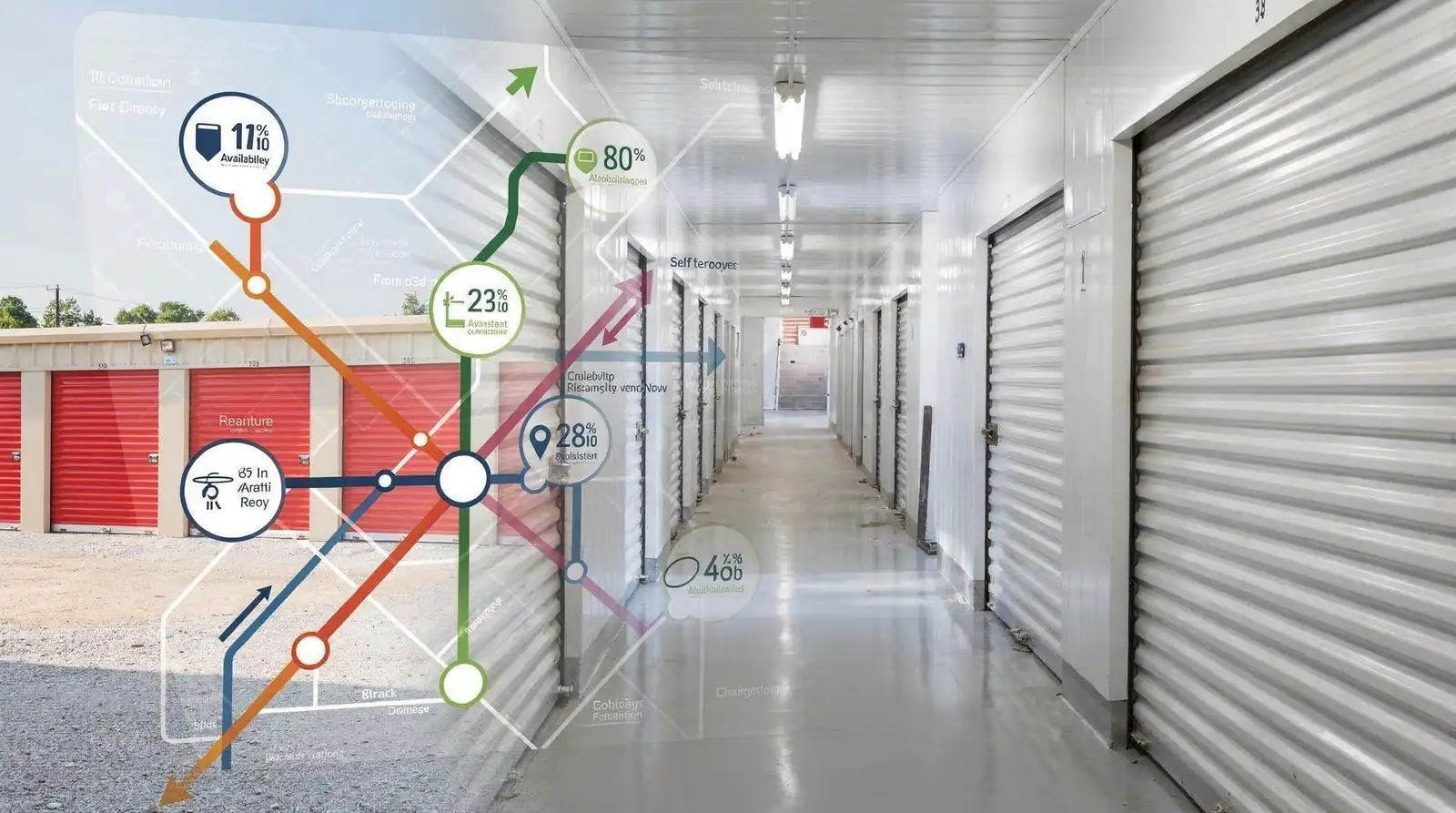
A dedicated interactive map narrows the search for rv storage by distance, price, and availability at once. Owners searching for rv storage near me get faster results filtering directly on that map instead of scrolling through endless listings. Los Angeles alone lists roughly 150 storage facilities, complete with unit sizes, web prices, and current deals, a scale mirrored in other major metro markets across the country.
Locating the right lot follows a simple sequence:
- Enter a home ZIP code or city into the search map to pull every listed facility within range.
- Compare listed rv storage lots near me side by side using price, distance, and unit availability shown on screen.
- Widen the search radius to include neighboring ZIP codes; rates often drop outside the primary metro core.
- Review each facility page for security lighting, gated access controls, and posted entry hours before narrowing the shortlist.
- Match unit dimensions to the rig's length and width, using the common 10x15 through 10x30 range as a sizing benchmark.
Facility pages typically note whether a lot offers indoor rv storage vs outdoor, covered, or uncovered parking, so filtering by that detail early saves a second round of searching later.
Does Checking Nearby ZIP Codes Actually Lower RV Storage Cost?
Yes. Storage prices shift block by block within a single metro area, and expanding the search past a home ZIP code frequently surfaces cheaper lots just a short drive away. This single habit affects rv storage cost more than almost any other search adjustment. Owners who skip this step routinely pay premium downtown rates for the same size unit available at a discount nearby.
What Should Renters Confirm Before Booking a Lot?
Security lighting, access controls, and posted entry hours deserve a direct comparison before signing anything. A poorly lit lot or restrictive access schedule turns routine trips into logistical headaches. Confirming these details against listed unit sizes prevents costly surprises after move-in day.
Indoor Storage or Outdoor Storage: Which Fits Your RV?
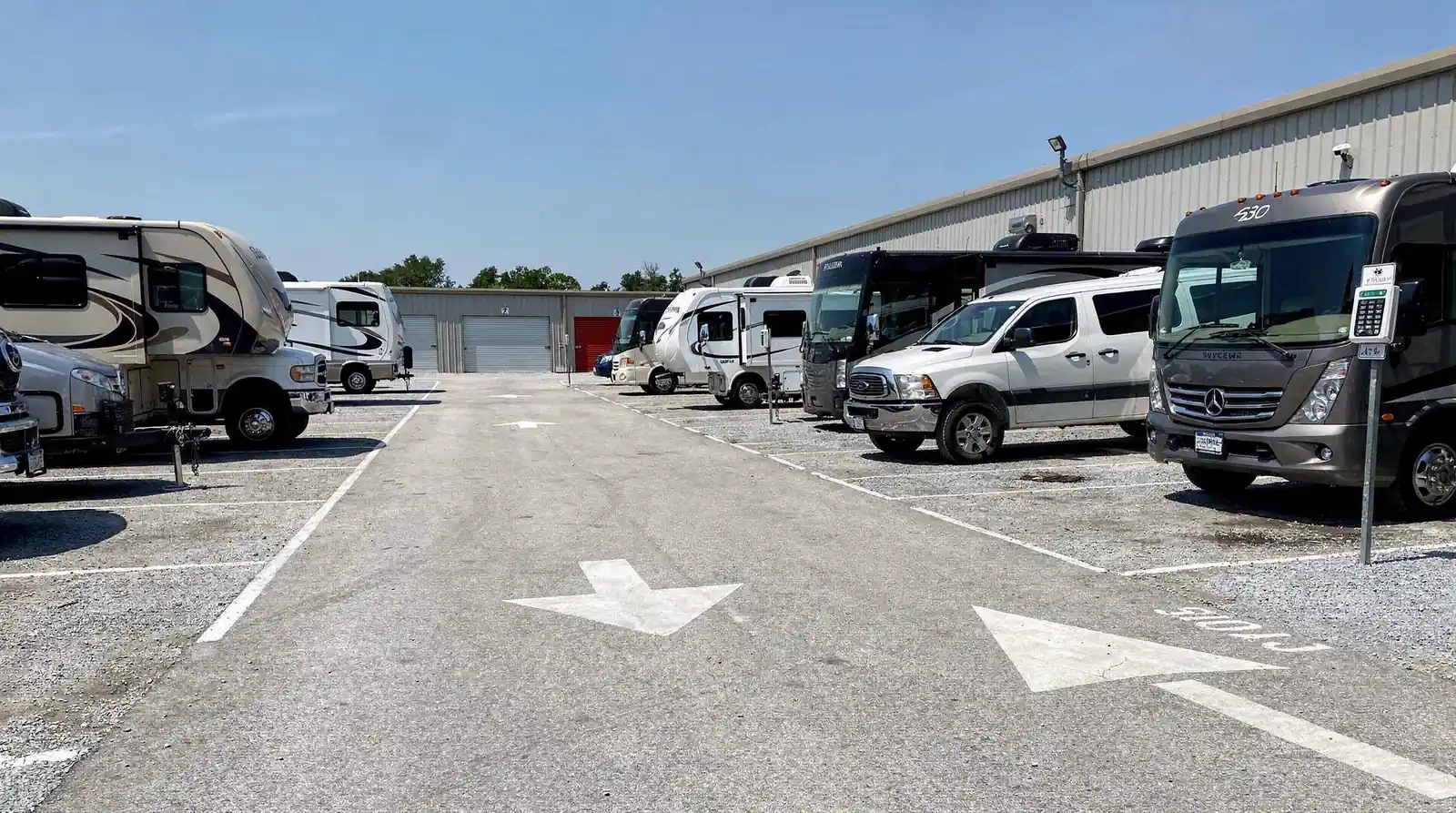
Outdoor lots suit budget-minded owners; enclosed buildings suit owners protecting a high-value rig. Two distinct answers exist depending on what the RV needs to survive. Facility type determines both the monthly rate and the level of protection an owner receives.
RV storage breaks down into two dominant categories, and the difference matters more than most owners assume. Outdoor storage represents the most basic and widely available format at storage facilities across the country. This option simply places a motorhome, trailer, or camper in an open lot within a designated storage facility. No walls, no roof — just a marked space and perimeter security.
Indoor storage sits at the opposite end of the spectrum. Facilities market this format as the premium tier because it places the RV inside a fully enclosed building. That enclosure delivers the highest level of protection against weather, theft, and long-term wear.
Is indoor RV storage worth the extra cost?
For owners weighing indoor RV storage vs outdoor options, the enclosed building wins on protection every time. Full enclosure limits exposure to sun, hail, and moisture that gradually degrade seals, tires, and paint. Outdoor lots skip that shield entirely, trading protection for accessibility and lower monthly cost.
RV storage cost rises with each added layer of protection, moving from open-lot pricing up through fully enclosed buildings. Owners deciding between the two should weigh three factors:
- Climate exposure in the region where the RV sits idle.
- Vehicle value and sensitivity to weather damage.
- Budget tolerance for the premium indoor tier commands.
Owners searching rv storage near me or scanning rv storage lots near me should compare both formats before booking. Those cross-shopping vehicle categories can also review broader vehicle storage listings or motorcycle storage spaces for smaller equipment.
How Much Does RV Storage Cost?
Monthly rates for RV storage cost fall into three broad published bands, and each reflects a different level of protection. Outdoor uncovered parking runs roughly $50 to $200 per month. Covered storage lands between $100 and $250. Indoor or enclosed space climbs to $150 to $550 or more, depending on the facility. Skipping these comparisons costs RV owners real money. A rig parked in the wrong category often pays for protection it never uses. Worse, sits exposed with no shelter at all.
| Storage Type | Typical Monthly Range |
|---|---|
| Outdoor uncovered | $50-$200 |
| Covered | $100-$250 |
| Indoor/enclosed | $150-$550+ |
Why do prices vary so much between facilities?
Rig size drives much of the difference, since longer motorhomes and towables need larger footprints. Market conditions, local demand, and site availability push rates up in some regions and down in others. Access hours, required insurance, and added fees also shape the final bill, and a listed price sometimes reflects only an introductory offer.
Why does the advertised rate look lower than the final bill?
A budget-friendly online rate often applies to a shorter space rather than a full-size rig. It may reflect a limited-time promotion or a unit that cannot clear a taller RV's roof height. Storage prices at any given lot shift based on unit size, location, demand, and current availability. Facilities searching for rv storage lots near me listings sometimes offer online-only pricing, first-month discounts, or short-term deals. Details worth confirming before signing a contract.
What Mistakes Should You Avoid When Booking RV Storage Lots?
Skipping the measurements ranks as the most common booking error. Owners frequently reserve a space based on the RV's listed length alone, forgetting mirror width and the clearance needed for entry and exit. A rig that fits on paper can become impossible to maneuver once parked. Bumper-to-bumper length and mirror width should be measured before any reservation, not after arrival.
Relying on a home driveway carries hidden costs too. Driveway storage seems convenient. It can trigger neighborhood association complaints, expose the vehicle to weather, and limit space for other household needs. A dedicated RV storage lot removes those complications entirely.
Access restrictions cause frustration for owners who store frequently. Anyone planning repeated seasonal trips should confirm gate hours and entry procedures before signing a contract.
What Should Frequent RV Users Check Before Signing a Lease?
Frequent users need dependable access, not occasional convenience. Confirm whether the facility offers extended or 24-hour gate hours and a straightforward keypad or app-based entry system. A facility with confusing gate codes or limited daytime access turns routine trips into scheduling headaches.
Locking into a rigid long-term lease is another avoidable mistake. Renovation projects, relocations, and travel seasons rarely follow a fixed calendar, so month-to-month agreements offer more practical flexibility than annual contracts.
Before booking any RV storage lots near me search result, owners should:
- Measure the RV's full length and mirror width
- Verify gate hours and access procedures
- Confirm month-to-month terms are available
- Compare indoor RV storage vs outdoor options against budget and climate needs
Facilities listed through networks such as US Storage Units, headquartered in Hallandale Beach, Florida, help owners compare these details across locations before committing.
FAQ
How much does RV storage cost?
Outdoor uncovered storage runs $50-$200 monthly, covered storage costs $100-$250 monthly, and indoor or enclosed storage ranges from $150-$550+ monthly, depending on rig size and local market rates.
What size RV storage unit do you need?
Common vehicle storage sizes range from 10x15 to 10x30. Match the unit dimensions to your rig's actual length and width before booking.
How do you find RV storage near you?
Use the interactive map to search by ZIP code or city, then compare facilities by price, distance, and availability, widening the radius if nearby rates run higher.
Facts
- US Storage Units is located in Hallandale Beach, FL, US.
Conclusion
In closing, selecting the appropriate recreational vehicle storage solution requires careful evaluation of your specific needs, climate considerations, and budget constraints. Indoor, outdoor, and covered storage options each present distinct advantages and limitations that directly impact vehicle protection and long-term preservation. By thoroughly assessing factors such as weather exposure, security requirements, and accessibility demands, you establish the foundation for an informed decision that safeguards your recreational vehicle investment effectively.